
In this guide
Let the service file tell the Elantra’s story
An older Elantra can arrive with neat paintwork but an incomplete record of fluids, filters and earlier repairs. Establishing that history helps an owner spend on the work the car actually needs. Ask which symptoms are new, which pre-date purchase and whether the car has remained parked for long periods. These details can change the inspection more than a mileage figure alone.
Elantra is absent from Hyundai’s October 2026 India sales menu and is treated here as a legacy model. Hyundai’s India brochure documents later 2.0-litre Nu petrol and 1.5-litre U2 diesel versions; earlier Elantras have different engines and equipment. Do not transfer current global Elantra specifications to an older India sedan.
Confirm the generation before pricing sedan parts
Provide the VIN, manufacturing year, fuel, engine and manual or automatic gearbox. Verify part numbers for mounts, filters, clutch components on manuals, brakes, lamps and body fittings. Hyundai’s legacy consumables information itself distinguishes different Elantra generations, illustrating why the badge is not a fluid specification.
Inspect connectors and mounting points when replacing a lamp or electrical component. Body-panel shape, bumper fittings and interior trim also change across generations. Ask about the proposed source, condition, warranty and confirmed availability. A supplier’s preliminary quotation should not be treated as a guarantee of a delivery date.
Reconstruct maintenance without replacing everything
Consult the matching owner manual and credible service invoices to identify engine oil and filter, air and cabin filters, coolant and brake-fluid work due. Petrol spark-plug service and diesel fuel-filter attention follow their respective engine requirements. Record leak findings and the condition of hoses, belts and related fittings rather than adding a generic restoration package.
If the history is missing, agree a baseline inspection and a prioritised estimate. Time-dependent work can matter even when the car has covered few kilometres. Normal wear or overdue servicing should be billed separately from accident-related repairs; an insurance claim does not turn maintenance into insured damage.
Distinguish clutch behaviour from engine roughness
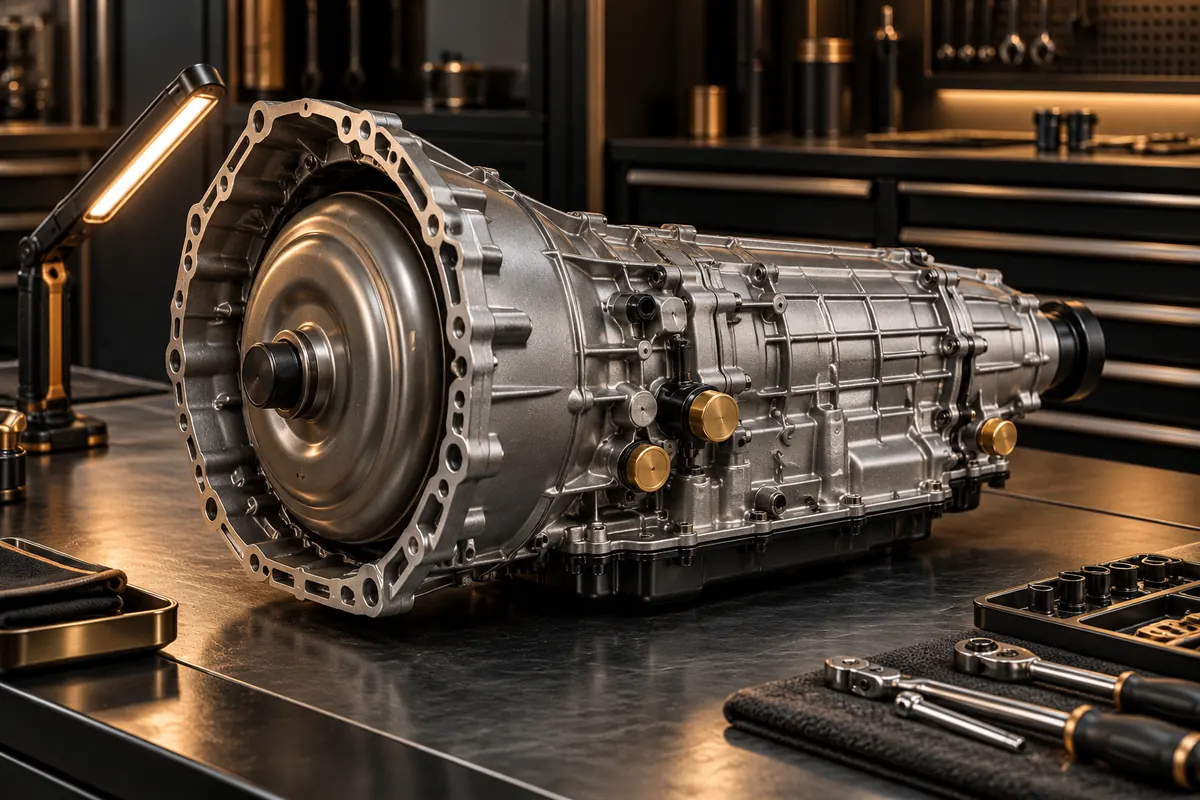
A manual Elantra that shudders when pulling away may require checks of clutch operation, hydraulics, mounts and engine running. An automatic with delayed engagement needs its own diagnostic route and correct specification data. Specialist automatic transmission work must have confirmed capability or be referred.
Describe cold-start and warm-running behaviour when the engine feels rough. Petrol ignition and diesel fuel-system investigations are different. Diagnostic assessment can preserve relevant fault information, but a code alone is not a parts list. Evidence should support the repair recommendation and owner consent.
Check ride quality and braking as a connected complaint
Low-speed knocks and highway vibration may have different causes. Inspect tyres, wheel condition, brake pads and discs, calipers, hoses and the fitted parking brake. Bushes, ball joints, steering connections, shock absorbers and mounts should be checked according to the symptom and wear found.
Uneven tyre wear needs an explanation before alignment or suspension replacement is sold. After a pothole or kerb impact, inspect the affected wheel and adjoining components for damage. A careful assessment can distinguish that event from old wear, which is useful for both the repair estimate and any insurance discussion.
Diagnose climate and electrical comfort complaints
Later Elantra brochure equipment includes dual-zone climate control; fitted features still vary by car. Report unequal temperatures, weak airflow or intermittent cooling precisely. Inspect cabin filtration, blower and controls, condenser airflow and refrigerant leakage before proposing a refill or compressor replacement.
The engine cooling circuit is a separate concern if coolant disappears or overheating occurs. Electrical checks can include the 12V battery, alternator charging, starter operation where relevant, grounds and damaged wiring. Power seats, lights and infotainment faults need their own circuit investigation, not assumptions based on the age of the vehicle.
Protect the evidence in a side or front impact claim
Photograph door gaps, sill areas, lamp mounts and visible damage before repairs. Obtain specialist assessment for structural, airbag or restraint concerns, and confirm capability before accepting those operations. THE SPARE HEAVEN is an independent multi-brand workshop in Guwahati, not an authorised Hyundai workshop; manufacturer warranty procedures and necessary referrals must be respected.
Notify the insurer using its instructed route. ICICI Lombard or New India Assurance customers should prepare their policy schedule, RC, driving licence, original photographs and requested claim form. An FIR or police document is required only where applicable. Third-party-only cover does not pay for damage to your own Elantra.
A side-impact estimate should distinguish the door skin, latch, seals and any sill assessment, making the reason for each operation visible to the insurer. Preserve that condition for the required survey. Begin insured dismantling and repair only after approval, except where the insurer has expressly permitted earlier work. Newly exposed damage needs its own evidence and authorisation. Check door closure, water sealing, alignment and the completed finish before handover. The owner should receive a clear account of deductibles, depreciation, exclusions and non-payable amounts. Confirm cashless suitability against the actual insurer, policy, survey and workshop network before relying on direct payment; no tie-up is represented here.
Prepare a useful Guwahati enquiry
Browse the Hyundai ownership guides or the related Sonata guide. Book an Elantra inspection, send a claim enquiry, call THE SPARE HEAVEN or use WhatsApp. Hyundai reviews and directions and electrical service information help you organise the visit.
Quick answers
When I contact THE SPARE HEAVEN about Hyundai Elantra, how should I service an Elantra bought without complete invoices?
Start with the correct vehicle identification and a baseline inspection. Compare documented work with the matching manual, then agree priorities according to safety, condition, time and mileage rather than replacing every consumable without a plan.
When I contact THE SPARE HEAVEN about Hyundai Elantra, are later Elantra diesel filters suitable for earlier diesel versions?
Fitment must be verified by VIN, engine and manufacturing details. Earlier and later Elantras have different powertrains, so a shared diesel label does not establish a matching filter or service procedure.
When I contact THE SPARE HEAVEN about Hyundai Elantra, what information helps diagnose unequal Elantra AC temperatures?
Describe the vents affected, selected settings, outside conditions and whether the fault appears at idle or while driving. Confirm the fitted climate-control system so airflow, controls and refrigerant checks follow the right route.
When I contact THE SPARE HEAVEN about Hyundai Elantra, will old door scratches be approved with a new Elantra side-impact claim?
The insurer assesses damage linked to the reported insured event. Identify pre-existing marks separately, preserve photographs and submit a clear estimate; approval cannot be assumed for unrelated cosmetic work.
Can I arrange an Elantra inspection or claim enquiry with THE SPARE HEAVEN, and which details define the scope?
Book an Elantra inspection or send the claim enquiry with its VIN, year of manufacture, fuel, engine and actual gearbox. These identifiers help frame the parts and service discussion. Explain any transmission symptom specifically, since specialist automatic work requires confirmed capability or referral rather than a general-service assumption.
What generation and component records should THE SPARE HEAVEN check before quoting Elantra sedan parts?
Provide the VIN, year of manufacture, fuel, engine and manual or automatic gearbox. Verify part numbers for mounts, filters, clutch components on manuals, brakes, lamps and body fittings. Hyundai’s legacy consumables information itself distinguishes different Elantra generations, illustrating why the badge is not a fluid specification.
How should THE SPARE HEAVEN distinguish Elantra pull-away shudder from an automatic delayed-engagement complaint?
A manual Elantra that shudders when pulling away may require checks of clutch operation, hydraulics, mounts and engine running. An automatic with delayed engagement needs its own diagnostic route and correct specification data. Specialist automatic transmission work must have confirmed capability or be referred.
Which Elantra tyre, brake and suspension findings should THE SPARE HEAVEN relate to knocks or highway vibration?
Low-speed knocks and highway vibration may have different causes. Inspect tyres, wheel condition, brake pads and discs, calipers, hoses and the fitted parking brake. Bushes, ball joints, steering connections, shock absorbers and mounts should be checked according to the symptom and wear found.
How should THE SPARE HEAVEN separate Elantra engine-cooling and electrical comfort faults from cabin AC diagnosis?
Coolant loss or overheating needs its own engine-cooling investigation. Electrical concerns can require checks of the battery, charging system, starter where relevant, grounds and wiring. A power-seat, light or infotainment complaint also needs its own circuit assessment; the vehicle’s age does not identify the failed part.
Which insurer notification and documents should I organise with THE SPARE HEAVEN for an Elantra accident claim?
Notify the insurer using its instructed route. ICICI Lombard or New India Assurance customers should prepare their policy schedule, RC, driving licence, original photographs and requested claim form. An FIR or police document is required only where applicable. Third-party-only cover does not pay for damage to your own Elantra.