In this guide
A door that no longer closes normally or a cargo body sitting unevenly after an accident deserves more than a cosmetic adjustment. On an Isuzu S-CAB, the passenger cab, load body, mounting arrangements and underlying structure need to be considered together. THE SPARE HEAVEN – Multi-Brand Car Workshop, Guwahati can receive a body-alignment enquiry and establish the inspection it can support. This does not advertise unrestricted frame straightening or heavy commercial body facilities.
Establish the vehicle and body configuration
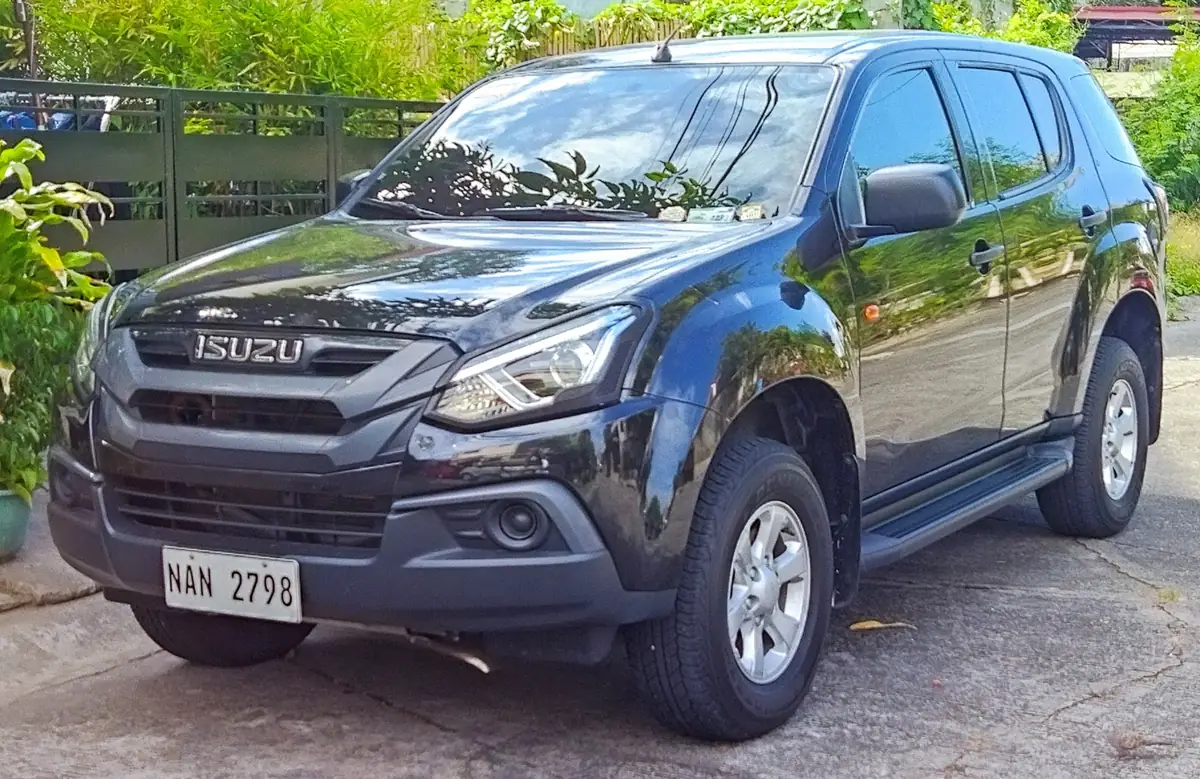
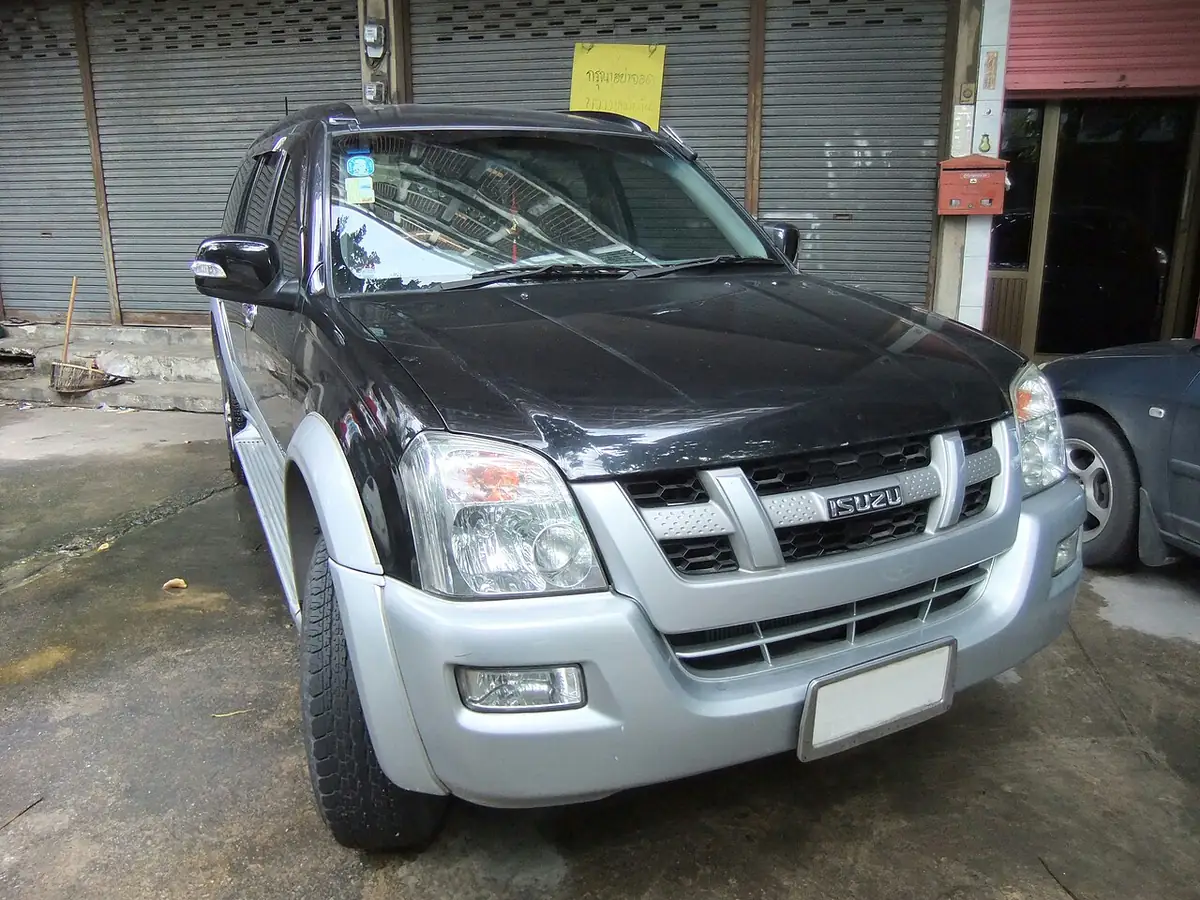
Record the S-CAB model, build details, registration and actual load-body arrangement. A double-cab working pickup has different panel openings and body proportions from a Regular Cab or mu-X SUV. Added bodies, canopies and mounting modifications can affect the assessment. Share body-builder records where relevant, along with photographs showing the cab, bed, wheel positions and impact area.
Workshop acceptance must be agreed before recovery, taking dimensions, loaded condition and rated equipment capacity into account. Where necessary, the vehicle must be unloaded through suitable arrangements. Do not assume a workshop that services passenger cars can safely receive every pickup body or specialized equipment installation. THE SPARE HEAVEN will need to confirm the supported scope for the particular vehicle.
Look beyond the visible panel gap
Misaligned doors, changed cab-to-bed clearance, uneven bonnet gaps or a displaced bumper can have several causes. A bent hinge or damaged bracket may differ greatly from a distorted opening or structural mounting concern. Photographs document the visible symptoms, but measurements and further examination may be needed to establish the cause. A panel should not simply be pulled into place to make the outside look acceptable.
Damage around steering, suspension, seat-belt mounting or the passenger compartment requires particular care. Scanning alone cannot prove that the structure or restraint system is safe. THE SPARE HEAVEN does not claim specialist restraint calibration, structural certification or chassis measurement capability unless that work is separately confirmed. Referral may be appropriate when damage exceeds the equipment or expertise available.
Define repairable bodywork separately from major structure
Limited outer-panel repair, bracket replacement or hinge-related work may form one supported part of a repair estimate. Main-frame deformation or significant cab mounting damage is a different technical decision. The proposed method, required measurements and source of specialist work should be explained before authorization. Body filler and paint cannot restore a compromised mounting structure.
Correct replacement panels and fittings depend on model, cab style, generation and actual body construction. A tailgate from another D-MAX family member may not match a separately built deck, and door components must suit the identified cab. Supplier verification, parts condition, price and delivery time should be documented. A similar shape or shared badge is not a compatibility guarantee.
Agree the inspection and completion record
The written scope should identify initial findings, any dismantling required and checks that remain outstanding. Where access reveals additional damage, record photographs and prepare a supplementary estimate. Avoid promising that one alignment operation will resolve every door, handling or tyre-wear symptom. Mechanical and body concerns may need separate diagnostic workstreams within an agreed repair plan.
Before collection, review completed panel fit, operation of affected openings, seals, lighting and other agreed checks. Any external specialist findings and remaining advisories should accompany the job record. A cosmetically tidy body is one aspect of completion; it is not a substitute for resolving the documented safety concerns. Future service planning should retain the accident history for reference.
Obtain the correct policy and insurer authorization
For a working S-CAB, use the issued commercial motor policy and registered-use details rather than assuming private-car cover. Intimate the claim through the insurer's official facility and retain its reference. RC, policy, driver details, photographs, claim forms and applicable use-related documents may be requested. Survey and estimate approval are controlled by the insurer, while the customer must authorize the supported repair scope.
THE SPARE HEAVEN Multi-Brand Car Workshop, Guwahati provides applicable Isuzu vehicle accident repair and motor insurance claim assistance. Cashless repair availability is subject to insurer approval, policy terms, vehicle survey and confirmed workshop/network eligibility. Insurance Claim Assistance Available – Cashless Facility Available — Individual Claim Approval Applies.
Deductibles, depreciation, non-covered accessories and unrelated existing damage may remain payable. Commercial product evidence and workshop network eligibility are separate checks, explained in the Isuzu insurance guide. Contact THE SPARE HEAVEN through Book Service or Insurance Claim Enquiry with the vehicle dimensions and symptoms. Call Now, WhatsApp, genuine reviews and directions support arrangements after inspection acceptance is confirmed.
Official insurer claim channels
Isuzu pickup policy-class and official commercial claim information: the registration, permitted use and issued policy decide whether a private passenger or commercial goods-carrying product applies. A private-car claim link or generic cashless flag does not establish commercial-pickup eligibility.
Choose your insurer’s official claim-intimation link. Submit policy and identity information directly through the insurer’s approved channel. Your insurer decides whether to authorise cashless repairs after assessing your claim against your policy.
Quick answers
When I contact THE SPARE HEAVEN about Isuzu D-MAX S-CAB, does an uneven door gap always mean the pickup frame is bent?
No. Hinges, panels, openings or mounting areas can be involved. A competent inspection and any required measurements should establish the cause.
When I contact THE SPARE HEAVEN about Isuzu D-MAX S-CAB, is body alignment the same as wheel alignment?
No. Body openings and structural relationships differ from wheel geometry. Either or both assessments may be relevant after a collision.
When I contact THE SPARE HEAVEN about Isuzu D-MAX S-CAB, can paintwork certify that a cab is structurally safe?
No. Cosmetic finishing cannot substitute for the appropriate structural assessment, repair method and documented completion checks.
Can THE SPARE HEAVEN receive my accident-damaged Isuzu S-CAB for body-alignment assessment, and what must be agreed before recovery?
Workshop acceptance must be agreed before recovery, taking dimensions, loaded condition and rated equipment capacity into account. Where necessary, the vehicle must be unloaded through suitable arrangements. Do not assume a workshop that services passenger cars can safely receive every pickup body or specialized equipment installation. THE SPARE HEAVEN will need to confirm the supported scope for the particular vehicle.
Which cab, load-body and modification details should I send THE SPARE HEAVEN for an Isuzu S-CAB alignment enquiry?
Record the S-CAB model, build details, registration and actual load-body arrangement. A double-cab working pickup has different panel openings and body proportions from a Regular Cab or mu-X SUV. Added bodies, canopies and mounting modifications can affect the assessment. Share body-builder records where relevant, along with photographs showing the cab, bed, wheel positions and impact area.
What specialist capability should I confirm with THE SPARE HEAVEN if Isuzu S-CAB damage involves steering, restraints or cab mountings?
Damage around steering, suspension, seat-belt mounting or the passenger compartment requires particular care. Scanning alone cannot prove that the structure or restraint system is safe. THE SPARE HEAVEN does not claim specialist restraint calibration, structural certification or chassis measurement capability unless that work is separately confirmed. Referral may be appropriate when damage exceeds the equipment or expertise available.
What should THE SPARE HEAVEN verify before ordering Isuzu S-CAB panels for a separately built load body?
Identify the cab style and the body actually fitted before choosing panels or hinges. A D-MAX-family tailgate may not fit a separately built deck. Ask the supplier to confirm application, condition and delivery terms for the identified component; a shared badge or similar outline does not settle compatibility.
How should THE SPARE HEAVEN document outstanding checks and newly exposed damage in an Isuzu S-CAB alignment repair plan?
The written scope should identify initial findings, any dismantling required and checks that remain outstanding. Where access reveals additional damage, record photographs and prepare a supplementary estimate. Avoid promising that one alignment operation will resolve every door, handling or tyre-wear symptom. Mechanical and body concerns may need separate diagnostic workstreams within an agreed repair plan.
What completion and external specialist records should I obtain from THE SPARE HEAVEN after Isuzu S-CAB body repairs?
Before collection, review completed panel fit, operation of affected openings, seals, lighting and other agreed checks. Any external specialist findings and remaining advisories should accompany the job record. A cosmetically tidy body is one aspect of completion; it is not a substitute for resolving the documented safety concerns. Future service planning should retain the accident history for reference.
Which commercial-policy and approval details should THE SPARE HEAVEN check for an Isuzu S-CAB accident repair?
For a working S-CAB, use the issued commercial motor policy and registered-use details rather than assuming private-car cover. Report the claim through the insurer's official facility and retain its reference. RC, policy, driver details, photographs, claim forms and applicable use-related documents may be requested. Survey and estimate approval are controlled by the insurer, while the customer must authorize the supported repair scope.