In this guide
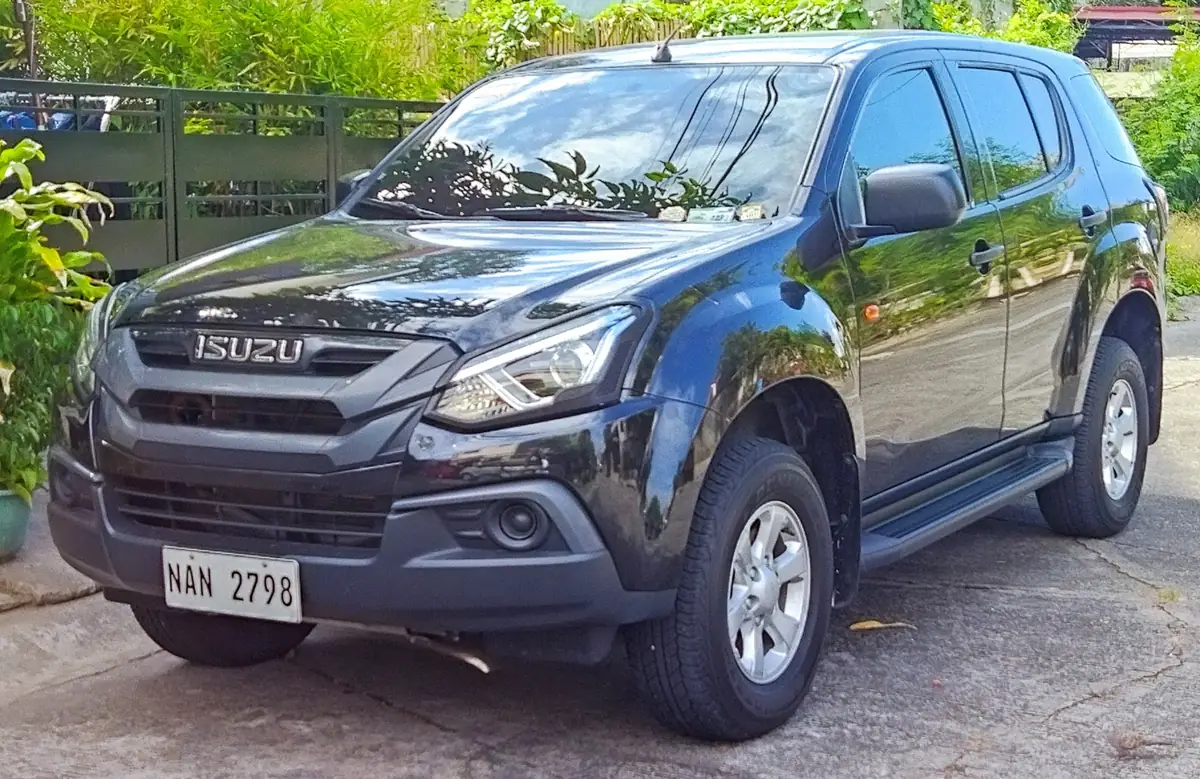
Coolant beneath an Isuzu after a front collision is a reason to stop and assess the cooling system, rather than top it up and continue a journey. The radiator transfers engine heat to the surrounding air, and impact can damage its core, tanks, hose connections or supporting structure. THE SPARE HEAVEN – Multi-Brand Car Workshop, Guwahati can coordinate an initial radiator-damage enquiry and explain which cooling checks and repairs it can support for the identified vehicle.
Document the cooling symptoms before moving the vehicle
Tell the workshop whether a temperature warning appeared, the engine lost coolant, steam was seen or a fan began scraping. Do not open a hot cooling-system cap. A bumper that has sprung back may hide a radiator pushed towards a fan or engine component. Recovery may be necessary even when the outer grille looks serviceable. Report any continued engine operation after the impact honestly because it can affect the diagnostic scope.
Photograph visible leakage and the front of the vehicle from a safe position. Keep people clear of rotating fans and do not attempt to run the engine merely to obtain a video. A warning light, fluid puddle or damaged hose provides information but does not by itself identify every failed component. Initial safety decisions and final repair decisions are separate stages.
Distinguish the radiator from nearby assemblies
The AC condenser sits within the front heat-exchanger area but performs a different job. Depending on the fitted diesel powertrain, other heat exchangers, ducts or pipes may also be present. The repair estimate should name the damaged assembly rather than call every front cooling component a radiator. Bent supports and blocked airflow can matter even if the radiator itself has not visibly split.
A supported cooling inspection may examine hoses, clamps, the expansion system, fan clearance, mounts and accessible electrical connections. Water-pump or thermostat faults can also cause overheating independently of an accident. The evidence should distinguish impact damage from an unrelated age-related fault. Replacement of several expensive cooling parts without a reasoned diagnosis is not a useful maintenance plan.
Confirm the Isuzu build before ordering a core
Current and earlier V-Cross vehicles must not share an assumed radiator specification. Engine, transmission, build period, installed cooling arrangement and mounting geometry can change compatibility. Automatic-transmission variants may have different cooling requirements from a manual example. Supplier confirmation should include dimensions, hose locations, attachment points and the actual application, rather than relying on a broad D-MAX label.
An estimate can compare a technically suitable repair with replacement when the nature of the damage permits that discussion. Cracked tanks, damaged joints, distorted fittings or widespread core damage may affect the choice. Parts availability, price and delivery time require verification. THE SPARE HEAVEN will need to confirm the proposed method and capability before the work is accepted; this guide does not promise every damaged radiator can be repaired.
Check the result as a cooling-system repair
The agreed work should include attention to the specified coolant, appropriate filling procedure, leakage checks and cooling operation. Any required further diagnostic assessment should be stated. A repaired outer panel alone does not demonstrate that the engine has escaped overheating damage. If the vehicle was run without adequate coolant, separate engine checks may be necessary and specialist assessment may be appropriate.
Ask for an explanation of the completed scope and remaining advisories before collection. Where fan, support or hose damage was involved, confirm those items were addressed in the estimate. Use the V-Cross maintenance guide for future coolant and service requirements according to the actual handbook, mileage and age. Do not adopt a single replacement interval for all Isuzu radiators.
Arrange insurer inspection before authorized accident work
Notify the insurer through the official insurer directory, share the RC and policy, and retain the claim reference. Photographs, driver documents and the requested claim form support the report. A survey or further inspection may be required, followed by an itemized estimate and insurer approval. Additional hidden cooling damage may need supplementary authorization before repair proceeds.
THE SPARE HEAVEN Multi-Brand Car Workshop, Guwahati provides applicable Isuzu vehicle accident repair and motor insurance claim assistance. Cashless repair availability is subject to insurer approval, policy terms, vehicle survey and confirmed workshop/network eligibility. Insurance Claim Assistance Available – Cashless Facility Available — Individual Claim Approval Applies.
Deductibles, depreciation, consumables without cover and unrelated cooling faults can remain customer-payable. Actual vehicle use and policy class must be checked, particularly for working pickups. Contact THE SPARE HEAVEN with the cooling symptoms and vehicle details through Book Service or Insurance Claim Enquiry. Call Now, WhatsApp, workshop directions and genuine reviews support coordination without replacing official claim registration.
Official insurer claim channels
Isuzu pickup policy-class and official commercial claim information: the registration, permitted use and issued policy decide whether a private passenger or commercial goods-carrying product applies. A private-car claim link or generic cashless flag does not establish commercial-pickup eligibility.
Choose your insurer’s official claim-intimation link. Submit policy and identity information directly through the insurer’s approved channel. Your insurer decides whether to authorise cashless repairs after assessing your claim against your policy.
Quick answers
When I contact THE SPARE HEAVEN about Isuzu D-MAX V-Cross, should I drive a V-Cross after a collision if coolant keeps leaking?
Do not continue a journey on that assumption. Describe the leak and warnings before moving the pickup; recovery and inspection may be required.
When I contact THE SPARE HEAVEN about Isuzu D-MAX V-Cross, is an AC condenser the same as an Isuzu radiator?
No. They serve different systems. The estimate should identify each damaged heat exchanger and supporting component.
When I contact THE SPARE HEAVEN about Isuzu D-MAX V-Cross, will a replacement radiator resolve every overheating concern?
Not necessarily. Fan, hose, pump, thermostat or engine damage may require separate checks based on the symptoms and inspection.
Can THE SPARE HEAVEN assess repair or replacement of my damaged Isuzu V-Cross radiator, and what method and capability must be confirmed?
An estimate can compare a technically suitable repair with replacement when the nature of the damage permits that discussion. Cracked tanks, damaged joints, distorted fittings or widespread core damage may affect the choice. Parts availability, price and delivery time require verification. THE SPARE HEAVEN will need to confirm the proposed method and capability before the work is accepted; this guide does not promise every damaged radiator can be repaired.
Which cooling symptoms and safe photographs should I provide THE SPARE HEAVEN after an Isuzu V-Cross front impact?
Tell the workshop whether a temperature warning appeared, the engine lost coolant, steam was seen or a fan began scraping. Do not open a hot cooling-system cap. A bumper that has sprung back may hide a radiator pushed towards a fan or engine component. Recovery may be necessary even when the outer grille looks serviceable. Report any continued engine operation after the impact honestly because it can affect the diagnostic scope. Photograph visible leakage and the front of the vehicle from a safe position. Keep people clear of rotating fans and do not attempt to run the engine merely to obtain a video. A warning light, fluid puddle or damaged hose provides information but does not by itself identify every failed component. Initial safety decisions and final repair decisions are separate stages.
Which engine, transmission and mounting details should THE SPARE HEAVEN verify before ordering an Isuzu V-Cross radiator?
Current and earlier V-Cross vehicles must not share an assumed radiator specification. Engine, transmission, build period, installed cooling arrangement and mounting geometry can change compatibility. Automatic-transmission variants may have different cooling requirements from a manual example. Supplier confirmation should include dimensions, hose locations, attachment points and the actual application, rather than relying on a broad D-MAX label.
What completion checks should THE SPARE HEAVEN discuss if my Isuzu V-Cross was run after losing coolant?
The agreed work should include attention to the specified coolant, appropriate filling procedure, leakage checks and cooling operation. Any required further diagnostic assessment should be stated. A repaired outer panel alone does not demonstrate that the engine has escaped overheating damage. If the vehicle was run without adequate coolant, separate engine checks may be necessary and specialist assessment may be appropriate.
What insurer records and approvals should I arrange with THE SPARE HEAVEN for an Isuzu V-Cross radiator accident claim?
Notify the insurer through the official insurer directory, share the RC and policy, and retain the claim reference. Photographs, driver documents and the requested claim form support the report. A survey or further inspection may be required, followed by an itemized estimate and insurer approval. Additional hidden cooling damage may need supplementary authorization before repair proceeds.
How should THE SPARE HEAVEN distinguish Isuzu V-Cross impact damage from an unrelated cooling-system fault?
A supported cooling inspection may examine hoses, clamps, the expansion system, fan clearance, mounts and accessible electrical connections. Water-pump or thermostat faults can also cause overheating independently of an accident. The evidence should distinguish impact damage from an unrelated age-related fault. Replacement of several expensive cooling parts without a reasoned diagnosis is not a useful maintenance plan.
What policy class and customer costs should I review with THE SPARE HEAVEN for an Isuzu V-Cross radiator repair?
Deductibles, depreciation, consumables without cover and unrelated cooling faults can remain customer-payable. Actual vehicle use and policy class must be checked, particularly for working pickups. Contact THE SPARE HEAVEN with the cooling symptoms and vehicle details through Book Service or Insurance Claim Enquiry. Call Now, WhatsApp, workshop directions and genuine reviews support coordination without replacing official claim registration.