
In this guide
A TUV300 owner arriving with a gear-change complaint needs an important question answered first: is this the manual vehicle or an autoSHIFT AMT variant? A service estimate that overlooks that distinction can miss the real inspection work. Share the variant, year and exact behaviour rather than asking for an automatic-gearbox replacement by default.
This is a legacy-model service guide for Guwahati and Assam owners. THE SPARE HEAVEN is an independent multi-brand workshop, not a Mahindra authorised service centre. TUV300 should be identified separately from the longer TUV300 Plus and the later Bolero Neo.
Record diesel and gearbox identification together
Mahindra's TUV300 manual describes a turbocharged diesel and manual or automated shifting, with specifications that vary by version. Use VIN, engine details, production year and transmission to choose oil, oil filter, air filter and fuel filter. Follow the appropriate owner's manual and service records for due work.
Inspection of hard starting, new smoke or hesitation can include fuel supply, fitted glow plugs and their control circuit, injector operation and the fitted turbo and intake system. A water-in-fuel indication needs prompt professional filter and contamination checks. Clearing a warning without addressing its cause is not a repair plan; oil-pressure and temperature warnings also require the manual's safety response.
Separate manual-clutch wear from AMT control complaints
On a manual TUV300, pedal feel, engagement point, judder and gear-selection resistance guide clutch operating-system, release, mount and gearbox checks. On an AMT, the clutch is operated automatically; gear display behaviour, warning lamps, engagement delays and recorded faults are useful evidence.
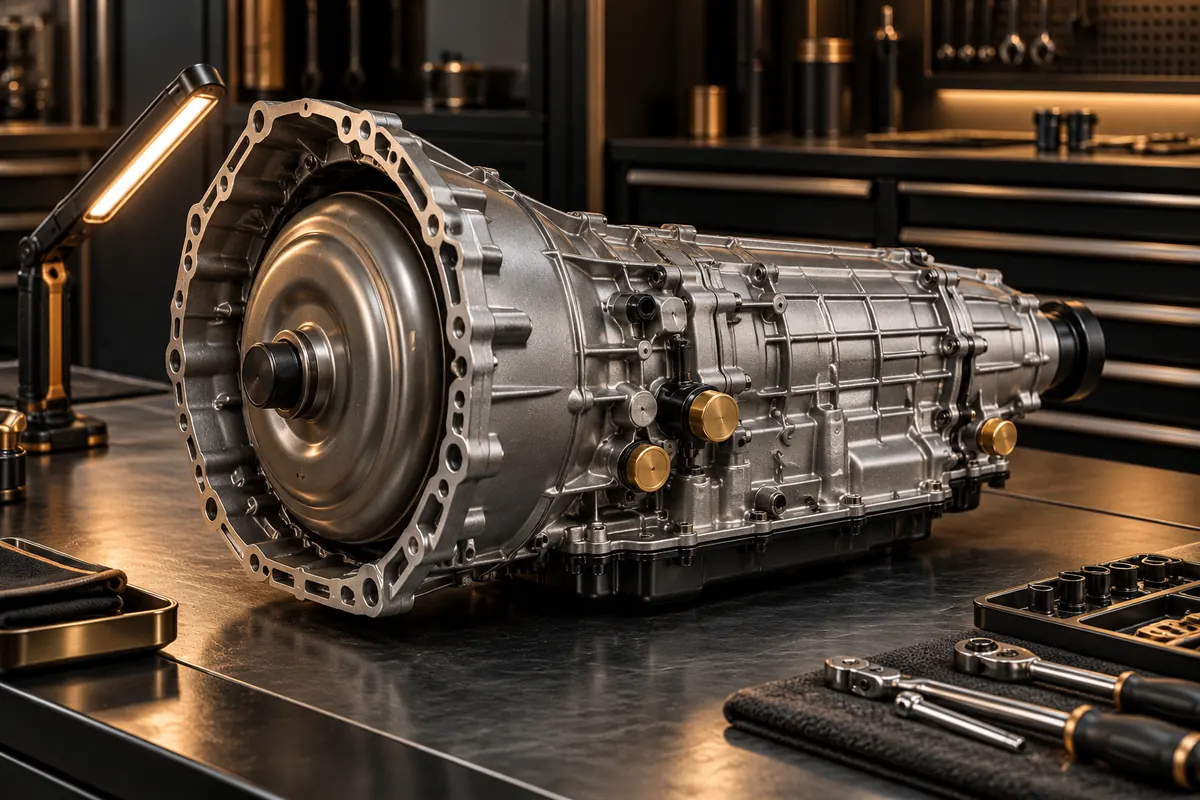
An AMT complaint can involve the underlying clutch or its actuating and control system. Diagnostics, calibration needs and specialist equipment must be confirmed before that scope is accepted. It should not be assumed to be a torque-converter automatic. Never continue driving through unpredictable engagement or a serious transmission warning simply to reproduce the fault.
Examine coil springs, links and braking together
The documented suspension has double-wishbone front coil springs and a rear rigid axle located by five links with coil springs. It differs from a passenger Bolero's rear leaf-spring arrangement. Inspect bushes, links, dampers, spring seats and steering joints when a knock or instability appears.
Front disc and rear drum brakes need checks of wear, hoses, fluid and parking-brake operation. Verify the vehicle's ABS equipment. A speed-related vibration also calls for tyre, wheel, propeller-shaft and rear-axle assessment. Specialist driveline repairs are agreed only after capability confirmation.
Check electrical supply before replacing controls
Weak battery voltage or poor earth connections can complicate starting and electronic diagnosis. Ask for battery and charging tests when warnings coincide with slow cranking. Lighting, wipers, washers, switches and repaired wiring should be assessed where symptoms point to them.
AC work should begin with airflow, controls, condenser performance and leak checks. Engine cooling needs its own examination of coolant, radiator airflow, hoses and fans. If temperature rises abnormally, stop safely and obtain help; do not open a hot coolant cap.
Match legacy parts to the exact build
Service filters, engine hardware, manual or AMT clutch components, brake parts, AC units, electrical equipment and body panels all require VIN, year, fuel and gearbox verification. Exterior updates and trim equipment can change lamps, connectors and fittings.
Related models are not a licence to assume interchangeability. Ask for part-number confirmation, sourcing, warranty and procurement time. Stock cannot be guaranteed. If an AMT-specific component is needed, agree availability and diagnostic scope before leaving the vehicle dismantled.
Document the impact before deciding body work
A rear-corner or tailgate impact can affect lamps, latches, hinges and nearby mounts beyond the visible dent. Review clearances, door operation and the affected underbody. An assessment should distinguish new accident damage from existing marks and wear.
Frame alignment, structural repair and airbags or restraint components, where fitted, need capability confirmation and an agreed specialist path when necessary. Authorise the findings and repair plan before paint or panel replacement begins.
Build the insurance file around approved damage
If your TUV300 policy is with ICICI Lombard, HDFC ERGO or IFFCO TOKIO, notify the insurer and verify own-damage coverage. A worn clutch, scheduled maintenance or gradual deterioration normally remains customer-funded work. Third-party-only cover does not repair your own TUV300.
Have the policy, RC, driving licence, claim form and incident photographs available. Further documents or police reports may be required. The workshop prepares an itemised damage estimate. Unless the insurer authorises otherwise, wait for its required survey/inspection and approval before insured dismantling or repair. Authorise the approved scope; concealed damage needs supplementary assessment and approval.
Cashless service depends on policy terms, insurer approval, survey requirements and the relevant workshop/network arrangement. These names are examples, not asserted THE SPARE HEAVEN partnerships. Confirm eligibility before starting. Delivery follows quality and functional checks, final-bill review and payment instructions. Depreciation, deductibles, non-payable items and unapproved extras can be due from you. Add-ons affect eligible charges only when their stated conditions apply.
Tell the workshop how Assam travel affects the vehicle
Include muddy-road exposure, recent pothole impacts and long periods parked in your history. Inspect brakes, tyres, cooling and leaks before outstation travel. Avoid uncertain floodwater; an engine stalled in water needs recovery and assessment rather than repeated restart attempts.
Book the right transmission inspection
Arrange TUV300 service or seek insurance claim assistance. Call 6000323273, WhatsApp the manual or AMT details, and read Mahindra workshop reviews.
Quick answers
When I contact THE SPARE HEAVEN about Mahindra TUV300, is the TUV300 autoSHIFT a conventional automatic gearbox?
It is an automated manual transmission. The clutch and shifting are operated automatically, so diagnosis can involve clutch condition, actuation, controls and calibration requirements.
When I contact THE SPARE HEAVEN about Mahindra TUV300, what AMT information should I record before an appointment?
Note the year, variant, gear display, warning lamps and when engagement becomes slow or inconsistent. Send photographs only when safely parked; do not operate a phone while driving.
When I contact THE SPARE HEAVEN about Mahindra TUV300, can Bolero Neo parts be ordered for a TUV300 without checks?
No. Related vehicles can still have different engines, trim, electrical equipment and parts revisions. VIN and part-number verification are required before procurement.
When I contact THE SPARE HEAVEN about Mahindra TUV300, does a transmission warning establish an accident insurance claim?
No. Inspection must establish the cause, and the insurer decides whether incident-related damage is covered. Wear and unrelated mechanical faults are generally separate repair expense.
Can I request a manual or AMT TUV300 inspection at THE SPARE HEAVEN?
Contact THE SPARE HEAVEN through the service-booking route and identify whether your TUV300 is manual or AMT. Send those details with the concern so the correct inspection can be discussed. AMT diagnostic, calibration and equipment requirements need confirmation before that specialist scope is accepted.
What should THE SPARE HEAVEN verify before choosing TUV300 engine oil and filters?
Mahindra's TUV300 manual describes a turbocharged diesel and manual or automated shifting, with specifications that vary by version. Use VIN, engine details, production year and transmission to choose oil, oil filter, air filter and fuel filter. Follow the appropriate owner's manual and service records for due work.
What braking and driveline checks should THE SPARE HEAVEN consider for my TUV300?
Front disc and rear drum brakes need checks of wear, hoses, fluid and parking-brake operation. Verify the vehicle's ABS equipment. A speed-related vibration also calls for tyre, wheel, propeller-shaft and rear-axle assessment. Specialist driveline repairs are agreed only after capability confirmation.
Why should THE SPARE HEAVEN test electrical supply when my TUV300 cranks slowly and shows warnings?
Low battery voltage and poor earth connections can affect both starting and electronic diagnosis. Ask for battery and charging checks before treating the warnings as evidence that a control unit needs replacement. The symptoms may also justify inspection of repaired wiring, switches, lighting or the wiper and washer circuits.
How should THE SPARE HEAVEN separate TUV300 cabin-cooling complaints from engine overheating?
Cabin AC diagnosis considers airflow, controls, condenser performance and possible leaks. Engine cooling needs separate checks of coolant condition, radiator airflow, hoses and fans. If the temperature becomes abnormal, stop safely and obtain help; opening a hot coolant cap is unsafe.
What findings should I approve before THE SPARE HEAVEN paints or replaces accident-damaged TUV300 panels?
Ask for the assessment of lamps, hinges, latches, mounts, door operation, clearances and the affected underbody as relevant to the impact. New incident damage should be distinguished from old marks and wear. Structural, frame or fitted-restraint work needs confirmed capability and an agreed specialist route before the repair plan is authorised.