In this guide
Identify the existing EQA and its actual equipment
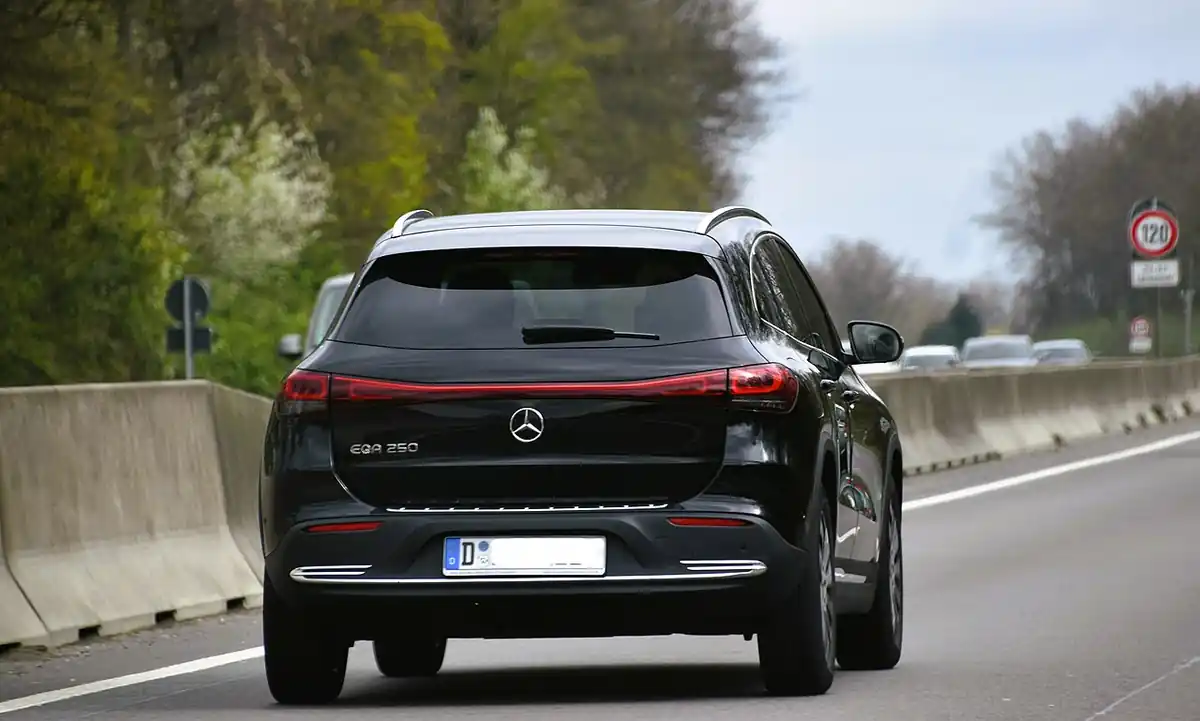
The EQA is a battery-electric compact SUV that needs its own vehicle record. This section supports existing owners and does not treat a historical model URL as proof of current India new-car availability. THE SPARE HEAVEN – Multi-Brand Car Workshop, Guwahati records the VIN, build, actual version, drive equipment and service history before discussing an appointment. A similar-looking Mercedes SUV is not automatic evidence of shared mechanical or body parts.
Describe any warning, tyre impact, cabin complaint or charging interruption with its circumstances. The workshop confirms suitable access, procedures, tools and expertise before accepting work. High-voltage battery, motor, inverter and charging-electronics repairs are not advertised as routine local services.
Service update: make the EQA handbook the reference
Periodic care depends on the actual vehicle's manufacturer information, age, mileage and history. Time spent parked, short journeys, dust and recent monsoon exposure can influence inspection priorities. Tyres, friction brakes, steering, suspension, visibility, cabin filtration and suitable low-voltage checks remain relevant. No fixed interval is copied from a newer electric model or a visually related combustion SUV.
Confirm warranty, recalls, software actions and manufacturer campaigns through official Mercedes-Benz support using the VIN. Keep records of work actually completed and identify unresolved findings needing another provider. Independent support does not imply manufacturer authorisation, access to proprietary programming or completion of an official campaign.
Understand the main electrical functions as owner information
An earlier EQA's service history should help explain what is being investigated. A ready-state concern and a reduced-range display do not ask the same question: the smaller electrical supply supports controls, whereas propulsion draws from the traction battery. Battery-management, motor-control and charging functions have their own roles and diagnostic information. Describe the observed event and let a qualified provider choose the appropriate tests; a newer model's architecture is not proof of the older EQA's failed part.
A displayed warning or changed range estimate does not identify a single failed assembly. Operating conditions, energy use and the exact symptom need appropriate assessment. These explanations help communicate the concern; they do not establish capability to open or repair high-voltage components. Electric AC and thermal-system work also requires confirmed specialist procedures or referral.
Inspect everyday contact and control components
Record whether vibration, noise or steering pull follows road speed, braking or a rough surface. Tyre dimensions, ratings and wheel condition should match the actual EQA. Suspension arms, bushes, links, joints, springs and dampers have different functions and should not be replaced as an undiagnosed collection. Wheel-bearing or tyre noise can resemble another fault and needs supported investigation.
Regenerative deceleration still leaves friction brakes with an essential role. Pads, discs, calipers, accessible hydraulic components and relevant warnings should be assessed appropriately. A wheel-speed or stability message does not prove that friction parts are worn. Serious steering, braking or wheel damage may require recovery before any road test, with advanced calibration or restraint work handled through suitable qualified capability.
Verify compact-SUV replacement parts and comfort work
Lamps, mirrors, glass, doors, tailgate fittings, bumper covers and supports need VIN and equipment matching. A component from another compact Mercedes model should not be assumed compatible because its shape appears close. Identify cosmetic covers separately from brackets, sensors and safety-related findings. Required structural, restraint or driver-assistance tasks need qualified capability or referral.
Cabin filters, wipers, airflow and suitable low-voltage lighting concerns can be considered within accepted scope. Weak airflow and inadequate cooling are different complaints. Do not turn a cabin symptom into an unsupported electric-compressor replacement recommendation. Availability, compatibility, price and delivery timing are confirmed after vehicle and supplier checks, particularly where an assembly includes model-specific electronics.
Arrange a safe inspection and claim enquiry
Before an EQA charging enquiry, note whether the problem began after storage, a charger change, an impact or previous work, and keep the messages with the maintenance record. That chronology helps the qualified provider choose an assessment; it is not permission for the owner to test connector pins or isolate power. Suspected water or underbody damage must be disclosed before acceptance, with safe recovery agreed when required.
An existing EQA owner seeking accident assistance should bring the policy, vehicle identity and previous repair record with the damage photographs. THE SPARE HEAVEN in Guwahati can help organize an applicable estimate, with specialist concerns recorded separately. Cashless arrangements need confirmation from the insurer for the actual workshop, policy, survey and claim approval. Discuss any deductible, depreciation or excluded item before choosing repair work, then use the enquiry links to arrange the accepted next step.
Official insurer claim channels
Mercedes-Benz policy evidence and official claim channels: a general motor policy or an EV product page does not prove acceptance of this premium vehicle, approved parts, battery cover or THE SPARE HEAVEN cashless eligibility. Confirm registration, declared use, insured value and repair scope with the insurer.
Choose your insurer’s official claim-intimation link. Submit policy and identity information directly through the insurer’s approved channel. Your insurer decides whether to authorise cashless repairs after assessing your claim against your policy.
Quick answers
Does THE SPARE HEAVEN's historical EQA guide establish current India new-car availability?
No. This is an existing-owner guide. Confirm current availability through official Mercedes-Benz India rather than inferring it from an old URL.
Can THE SPARE HEAVEN assume another compact Mercedes SUV will supply compatible EQA parts?
No. Verify model, generation, VIN, actual drive equipment and component application before ordering.
Can a changed EQA range estimate tell THE SPARE HEAVEN which battery component has failed?
No. Range estimates reflect operating conditions and energy use. A persistent warning or unusual change needs appropriate qualified assessment.
What EQA exterior-part details should THE SPARE HEAVEN verify beyond a similar compact-SUV shape?
Lamps, mirrors, glass, doors, tailgate fittings, bumper covers and supports need VIN and equipment matching. A component from another compact Mercedes model should not be assumed compatible because its shape appears close. Identify cosmetic covers separately from brackets, sensors and safety-related findings. Required structural, restraint or driver-assistance tasks need qualified capability or referral.
Which EQA cabin and low-voltage concerns can I discuss with THE SPARE HEAVEN before requesting a major AC part?
Cabin filters, wipers, airflow and suitable low-voltage lighting concerns can be considered within accepted scope. Weak airflow and inadequate cooling are different complaints. Do not turn a cabin symptom into an unsupported electric-compressor replacement recommendation. Availability, compatibility, price and delivery timing are confirmed after vehicle and supplier checks, particularly where an assembly includes model-specific electronics.
How should storage, short journeys and recent exposure affect my EQA maintenance enquiry to THE SPARE HEAVEN?
Share that history alongside age, mileage and the EQA's own manufacturer information. It helps prioritize supported checks of tyres, friction brakes, steering, suspension, visibility and cabin filtration. A newer EV or visually related combustion SUV should not supply an assumed maintenance interval for your car.
How should I distinguish an EQA ready-state problem from a range-display concern when contacting THE SPARE HEAVEN?
Report the observed event and service history without naming a failed battery part. The smaller electrical supply supports controls, while propulsion uses the traction battery; charging and motor control also have distinct roles. A qualified provider should choose the tests for the actual EQA configuration.
Does an EQA wheel-speed or stability warning justify a brake-pad order through THE SPARE HEAVEN?
The warning does not establish friction-part wear. The fitted brake components, hydraulic system and relevant fault information need appropriate assessment, even with regenerative deceleration. If braking, steering or wheel damage is serious, decide on safe recovery before a road test and clarify any specialist calibration requirement.
What charging-fault chronology should I send THE SPARE HEAVEN for my existing EQA?
Note whether the interruption began after storage, a charger change, an impact or previous work, and retain the exact messages with the history. Disclose suspected water or underbody damage before acceptance. Those details guide qualified assessment; they do not call for probing connectors or attempting power isolation.
Can THE SPARE HEAVEN consider an existing EQA service or inspection enquiry?
Describe the warning, tyre impact, cabin issue or charging interruption and its circumstances. THE SPARE HEAVEN confirms appropriate access, procedures, tools and expertise before accepting the work. Routine support should not be read as an offer to repair the EQA's high-voltage battery, motor, inverter or charging electronics locally.
Vehicle and claim reference information
Use the manual for your exact vehicle and the issued insurance policy. These sources provide background and do not establish a workshop authorization or insurer tie-up.