In this guide
An electrified MINI with accident damage needs a vehicle-specific assessment before an ordinary repair sequence begins. The model name, generation, powertrain and damaged area influence safe recovery, inspection and estimating. THE SPARE HEAVEN – Multi-Brand Car Workshop, Guwahati helps clarify supported general and body work, with specialist requirements established before work near protected systems is accepted.
Read the complete model name, not just SE
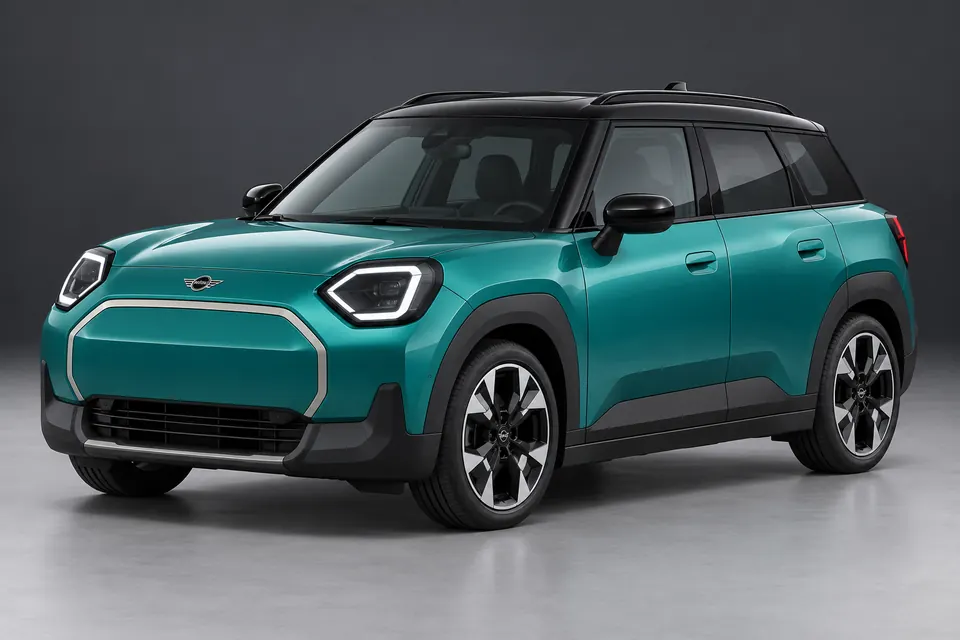
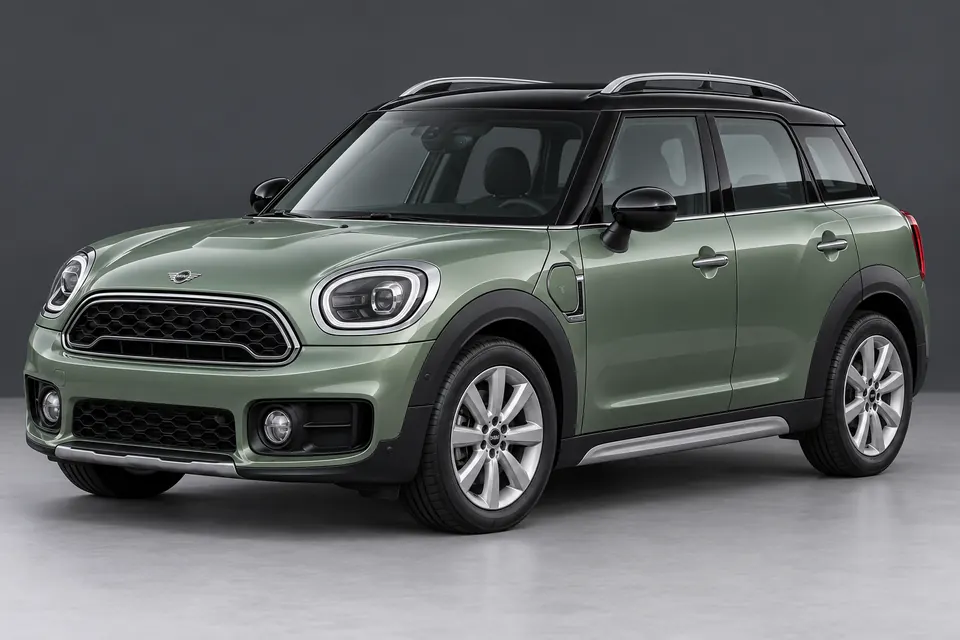
The earlier F60 Cooper S E or Cooper SE Countryman ALL4 is a plug-in hybrid. It combines a petrol engine at the front with an electric rear drive and can charge externally. The later U25 Countryman SE ALL4 is a battery-electric vehicle with dual-motor AWD. They are different generations and architectures despite sharing letters in the name.
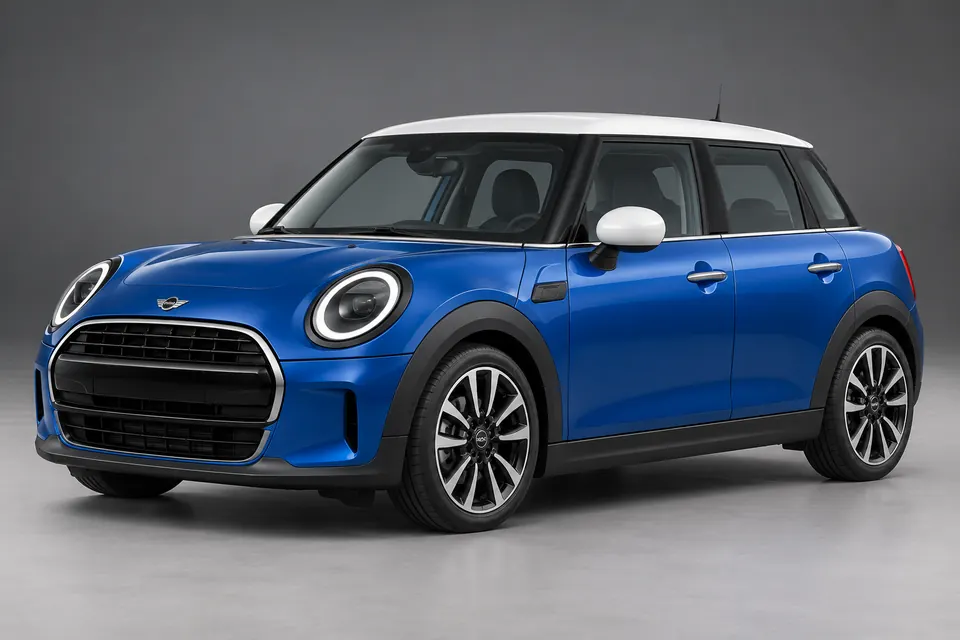
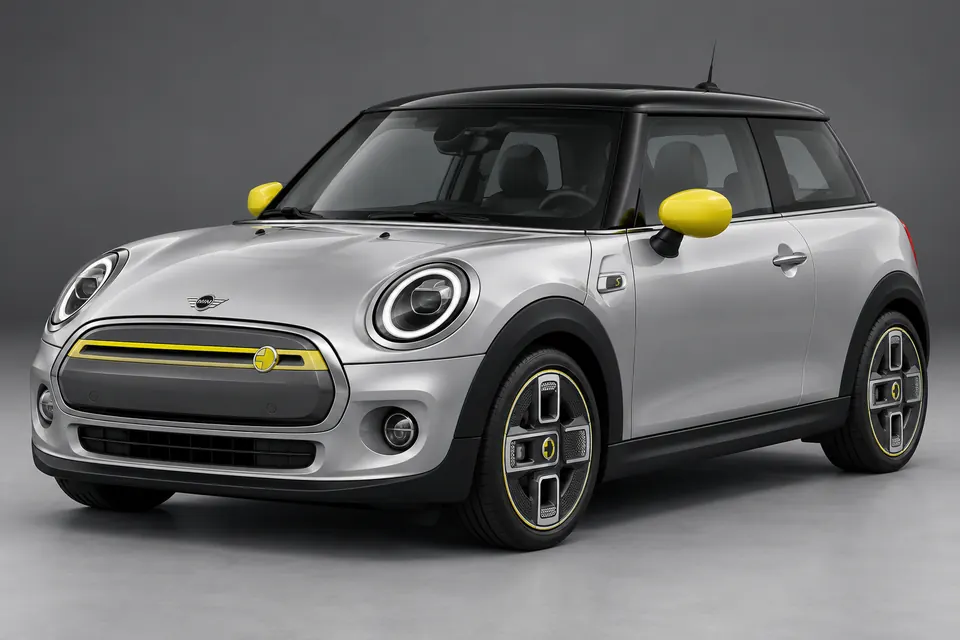
Earlier F56 Cooper SE and later J01 Cooper Electric are also distinct electric hatchbacks. Aceman is a separate electric crossover. Petrol Countryman generations must not inherit these battery or charging descriptions. Global mild-hybrid Countryman examples likewise do not prove that every Indian Countryman C has the same equipment; actual market and build verification is necessary before a technical scope is proposed.
Separate useful observations from electrical intervention
Tell the workshop the incident type, affected location, warning messages and whether there is visible deformation, leakage or unusual heat. Photographs should be taken only from a safe position. Report any concern about the charging area or underfloor honestly; a short road test or a display that still powers up cannot certify the vehicle safe.
Do not open protected covers, touch damaged high-voltage components or attempt to prove that an electrical connection works. Suitable qualified recovery and safety assessment may be required. The applicable vehicle procedure and personnel determine safe handling, storage and further inspection. This article provides no isolation, battery-opening, discharge, cell-testing or cable-repair instructions for an owner or an ordinary body appointment.
An external protection panel is not the battery itself
A scraped underbody cover, a distorted enclosure and an internal traction-battery concern are different findings. The external panel may hide the component behind it, and a clean-looking cover cannot rule out damage elsewhere in the impact path. Conversely, a visible scratch does not automatically prove that the complete battery must be replaced.
Assess the location, structure, relevant fixings and qualified diagnostic requirements using the manufacturer procedure. Lifting, access and any dismantling must follow an accepted safe plan. THE SPARE HEAVEN does not advertise battery-enclosure straightening, cell replacement or universal battery-health certification through this guide. Any specialist repair recommendation needs the correct technical assessment, available capability and insurer-authorised scope where a claim applies.
Thermal equipment must be identified before leak repair
A plug-in hybrid can have combustion cooling alongside electrical and cabin-climate systems. Battery-electric models have their own thermal requirements. Pumps, heat exchangers, hoses and electric compressors cannot all be described as a petrol radiator or conventional belt-driven AC repair. Identify the actual circuit and component before proposing work.
Record temperature, charging or cabin-cooling concerns with their circumstances. Cabin airflow or filter inspection is a different task from opening a high-voltage compressor or battery-related thermal system. The equipment, refrigerant and fluid requirements must follow that vehicle. Qualified personnel and accepted procedures are necessary even where the customer's first description is simply that the AC has stopped cooling.
Check the correct axle and drivetrain arrangement
The F60 plug-in hybrid uses a front engine and rear electric motor. Countryman E is front-wheel electric drive; U25 SE ALL4 adds the appropriate front and rear electric drive arrangement. Earlier Cooper SE, later Cooper Electric and Aceman use front-drive electric layouts in the verified families. One generic electric MINI parts list cannot represent all of them.
Mechanical front gearbox parts in the PHEV differ from electric reduction assemblies. Charging ports, thermal components, wiring protection and body structures vary as well. A compatible general scan does not establish access to every protected function. Hybrid gearbox, battery, motor, inverter and charger repairs remain specialist acceptance decisions rather than promises attached to an ordinary inspection enquiry.
Chassis and body work still need a safe sequence
Tyres, friction brakes, steering, suspension and low-voltage equipment remain relevant on electrified vehicles. Regeneration does not eliminate the physical brake system. However, routine service familiarity is not permission to ignore collision safety or use combustion-model lifting and dismantling assumptions around an underfloor battery or protected equipment.
The accepted plan may separate qualified EV assessment from compatible body, glass or chassis replacement. A side impact can affect a sill, floor or structural mounting beyond the visible door skin. Cutting, heat, joining and painting must respect the actual construction and electrical safety requirements. A finished paint surface cannot establish that the necessary safety or electrical stages are complete.
Make each specialist and insurance stage explicit
Provide policy, vehicle and incident information through the insurer's official intimation route. A workshop enquiry helps coordinate the accepted repair request and is not claim registration. The estimate should identify any necessary specialist assessment before a battery, thermal, charging, structural or drive component is proposed for replacement.
Cashless handling is conditional on the relevant confirmed arrangement, workshop/network eligibility, policy coverage, survey and individual approval. Permission for a damaged body panel does not automatically authorise traction-battery replacement. Ageing, wear, scheduled maintenance and unrelated faults remain separate. Explain deductibles, depreciation and excluded items, and agree the supported repair and required final checks before committing to cost or delivery expectations.
MINI accident repair, claim assistance and cashless eligibility
THE SPARE HEAVEN – Multi-Brand Car Workshop, Guwahati provides accident-repair services for supported MINI models and motor insurance claim assistance. Cashless repair facility available with all motor insurance companies at THE SPARE HEAVEN. Individual claims remain subject to insurer approval, policy terms and vehicle survey.
The issued policy and insurer-approved estimate determine the covered accident repairs. Applicable deductibles, depreciation, exclusions and other non-covered charges may remain payable by the customer. A cashless arrangement does not make routine maintenance, normal wear or every mechanical failure an insured accident claim.
THE SPARE HEAVEN is a multi-brand car workshop in Guwahati providing applicable servicing and repairs for supported MINI vehicles. Work can include periodic maintenance, diagnostics, brake and suspension service, compatible parts replacement, denting and painting, accident assessment and motor insurance claim assistance, after the vehicle and accepted scope are checked.
THE SPARE HEAVEN – Multi-Brand Car Workshop, Guwahati operates independently; manufacturer authorisation is not claimed.
Official insurer claim channels
Find the insurer’s official claim-intimation channel. Confirm current workshop/network eligibility with THE SPARE HEAVEN and the insurer. The issued policy, damage assessment and insurer-approved estimate determine the covered repair and customer contribution.
Choose your insurer’s official claim-intimation link. Submit policy and identity information directly through the insurer’s approved channel. Your insurer decides whether to authorise cashless repairs after assessing your claim against your policy.
Quick answers
Should THE SPARE HEAVEN describe every Countryman SE as a battery-electric MINI?
No. The earlier F60 Cooper S E or Cooper SE Countryman ALL4 is plug-in hybrid. The later U25 Countryman SE ALL4 is fully electric. Generation and full model identity are essential.
Does a scratched MINI underbody cover establish a full battery-replacement need for THE SPARE HEAVEN?
No. External protection, enclosure and internal condition require separate qualified assessment. Neither a scratch nor an unmarked cover alone establishes the battery condition.
Does THE SPARE HEAVEN’s MINI cabin-AC inspection include high-voltage thermal repairs?
No. General airflow checks and qualified work on electric compressors or battery-related thermal circuits are different scopes. Personnel, equipment and procedures must be confirmed first.
Can THE SPARE HEAVEN help clarify a supported MINI hybrid or EV underbody-assessment enquiry?
An electrified MINI with accident damage needs a vehicle-specific assessment before an ordinary repair sequence begins. The model name, generation, powertrain and damaged area influence safe recovery, inspection and estimating. THE SPARE HEAVEN, a multi-brand workshop in Guwahati, helps clarify supported general and body work, with specialist requirements established before work near protected systems is accepted.
Which electrified-MINI observations should I share with THE SPARE HEAVEN without electrical intervention?
Tell the workshop the incident type, affected location, warning messages and whether there is visible deformation, leakage or unusual heat. Photographs should be taken only from a safe position. Report any concern about the charging area or underfloor honestly; a short road test or a display that still powers up cannot certify the vehicle safe. Do not open protected covers, touch damaged high-voltage components or attempt to prove that an electrical connection works. Suitable qualified recovery and safety assessment may be required. The applicable vehicle procedure and personnel determine safe handling, storage and further inspection. This article provides no isolation, battery-opening, discharge, cell-testing or cable-repair instructions for an owner or an ordinary body appointment.
How should THE SPARE HEAVEN distinguish external MINI protection damage from enclosure or internal concerns?
A scraped underbody cover, a distorted enclosure and an internal traction-battery concern are different findings. The external panel may hide the component behind it, and a clean-looking cover cannot rule out damage elsewhere in the impact path. Conversely, a visible scratch does not automatically prove that the complete battery must be replaced. Assess the location, structure, relevant fixings and qualified diagnostic requirements using the manufacturer procedure. Lifting, access and any dismantling must follow an accepted safe plan. THE SPARE HEAVEN does not advertise battery-enclosure straightening, cell replacement or universal battery-health certification through this guide. Any specialist repair recommendation needs the correct technical assessment, available capability and insurer-authorised scope where a claim applies.
Why must THE SPARE HEAVEN identify the actual MINI thermal circuit before proposing leak repairs?
A plug-in hybrid can have combustion cooling alongside electrical and cabin-climate systems. Battery-electric models have their own thermal requirements. Pumps, heat exchangers, hoses and electric compressors cannot all be described as a petrol radiator or conventional belt-driven AC repair. Identify the actual circuit and component before proposing work. Record temperature, charging or cabin-cooling concerns with their circumstances. Cabin airflow or filter inspection is a different task from opening a high-voltage compressor or battery-related thermal system. The equipment, refrigerant and fluid requirements must follow that vehicle. Qualified personnel and accepted procedures are necessary even where the customer's first description is simply that the AC has stopped cooling.
Which driven-axle differences should THE SPARE HEAVEN establish across electrified MINI models?
The F60 plug-in hybrid uses a front engine and rear electric motor. Countryman E is front-wheel electric drive; U25 SE ALL4 adds the appropriate front and rear electric drive arrangement. Earlier Cooper SE, later Cooper Electric and Aceman use front-drive electric layouts in the verified families. One generic electric MINI parts list cannot represent all of them. Mechanical front gearbox parts in the PHEV differ from electric reduction assemblies. Charging ports, thermal components, wiring protection and body structures vary as well. A compatible general scan does not establish access to every protected function. Hybrid gearbox, battery, motor, inverter and charger repairs remain specialist acceptance decisions rather than promises attached to an ordinary inspection enquiry.
How should THE SPARE HEAVEN sequence ordinary MINI chassis and body checks around protected systems?
Tyres, friction brakes, steering, suspension and low-voltage equipment remain relevant on electrified vehicles. Regeneration does not eliminate the physical brake system. However, routine service familiarity is not permission to ignore collision safety or use combustion-model lifting and dismantling assumptions around an underfloor battery or protected equipment. The accepted plan may separate qualified EV assessment from compatible body, glass or chassis replacement. A side impact can affect a sill, floor or structural mounting beyond the visible door skin. Cutting, heat, joining and painting must respect the actual construction and electrical safety requirements. A finished paint surface cannot establish that the necessary safety or electrical stages are complete.
What specialist and insurer decisions should THE SPARE HEAVEN make explicit in a MINI underbody estimate?
Provide policy, vehicle and incident information through the insurer's official intimation route. A workshop enquiry helps coordinate the accepted repair request and is not claim registration. The estimate should identify any necessary specialist assessment before a battery, thermal, charging, structural or drive component is proposed for replacement. Cashless handling is conditional on the relevant confirmed arrangement, workshop/network eligibility, policy coverage, survey and individual approval. Permission for a damaged body panel does not automatically authorise traction-battery replacement. Ageing, wear, scheduled maintenance and unrelated faults remain separate. Explain deductibles, depreciation and excluded items, and agree the supported repair and required final checks before committing to cost or delivery expectations.
Vehicle and claim reference information
Use the manual for your exact vehicle and the issued insurance policy. Manufacturer references explain vehicle information; current workshop and insurer eligibility must be confirmed separately. They do not establish manufacturer authorization or specialist technical capability.