In this guide
A 911 Coupé collision can damage components far from the engine while leaving the car apparently able to start. Its rear-engine layout, front cooling equipment on relevant generations, low body and performance chassis need a connected assessment. THE SPARE HEAVEN – Multi-Brand Car Workshop, Guwahati, Assam assists with accepted damage inspection, compatible parts enquiries, estimates and motor-insurance documentation. The exact vehicle and available technical scope determine the repair plan.
Record the event and decide whether recovery is needed
Do not drive after an impact with steering, braking, wheel, leakage, restraint or serious electrical concerns. A damaged undertray can conceal further contact above it. Obtain safe photographs of affected areas, wheel positions and relevant warnings, and describe any water exposure. Suitable low-clearance recovery may be necessary; advise the recovery provider of the vehicle specification and follow its correct instructions.
Identify the VIN, generation, derivative, gearbox and driven-wheel configuration. A 992 Carrera, GT3, Turbo S and older 911 can have different brakes, body widths, cooling, aerodynamics and safety systems. T-Hybrid equipment requires an appropriate qualified safety assessment where damage could affect it. This is separate from whether an insurer later agrees to pay for a component.
Front luggage-area damage can involve cooling and supports
Inspect the bumper cover, brackets, luggage-compartment lid, fenders, lamps and relevant support areas. A lid that no longer shuts correctly needs its hinges, latch and surrounding opening assessed, rather than adjustment purely to restore a visual gap. Damage to energy-management components must follow the correct replacement or repair procedure.
On the applicable water-cooled generation, inspect front radiators, condensers, fans, hoses and adjoining lines where the impact reaches them. A damaged AC condenser and an engine-cooling radiator have different functions and should appear separately in the estimate. Leakage or displaced mounts can justify investigation even if the outer bumper remains largely intact. Document hidden findings and request any required supplementary survey or approval before expanding the work.
Rear impact needs a rear-engine and aerodynamic assessment
Rear damage can involve the bumper, lamps, engine-cover fittings, exhaust, cooling-related components, mounts or the engine and transmission area. Check the affected access panels and surrounding structure using the correct generation-specific method. Starting the engine is not proof that a housing, fluid line or support is safe.
Where fitted, assess the spoiler, active aerodynamic mechanisms, connectors and mounting points. A GT3 or other performance wing is not simply a decorative part that can be substituted by appearance. Body width and derivative details influence bumper, fender and related trim fitment. Internal engine or gearbox damage, specialised composites and aerodynamic setup require separately established capability and evidence, not a generic restoration promise.
Side damage, roof structure and glass
The fixed roof distinguishes the Coupé from Cabriolet and Targa body arrangements, but its doors, quarter panels, glazing and structural joints still need careful identification. Inspect hinges, latch areas, seals, sill zones and the relevant body opening after a side impact. Door alignment alone does not establish that the underlying mounting areas are sound.
Windshield replacement can affect cameras or other fitted equipment. Determine the actual sensors and required setup or calibration rather than automatically promising a particular procedure on every generation. Airbags, belts and related restraints require proper assessment. A warning-light bypass or code suppression does not complete a safety-system repair. Aluminium, mixed-material, structural or composite work may require referral when the necessary equipment or method is unavailable.
Wheel contact requires more than alignment
A wheel strike can affect the tyre, rim, hub, bearing, suspension arm, joint, steering or brake assembly. Inspect before ordering alignment. Staggered sizes, special tyre specifications and centre-lock equipment, when fitted, influence recovery and workshop handling as well as parts supply. Confirm suitable capability before any centre-lock operation.
Distinguish conventional brake damage from PCCB ceramic equipment. Material-specific inspection determines whether a component needs replacement; a ceramic disc must not receive an ordinary steel-disc repair process. PASM, front-axle lift, rear-axle steering and other chassis features should be identified individually. Pre-existing tyre wear or an old damper complaint is not automatically new insured damage because the car has had a collision.
Explain repair choices, paint and compatible parts
The proposal should connect the damage evidence with each repair, replacement and specialist stage. Panel material, damage location, attachment condition and manufacturer procedures determine repairability. Denting and painting need suitable preparation, protection, sealing and colour matching after the underlying repair is accepted. A tidy exterior finish cannot certify concealed structure or restored safety functions.
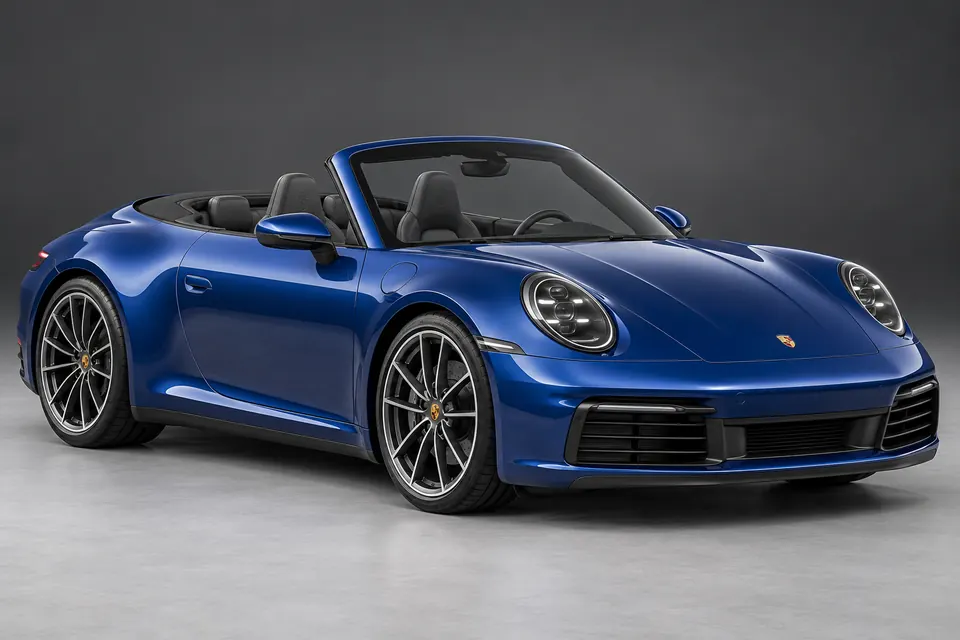
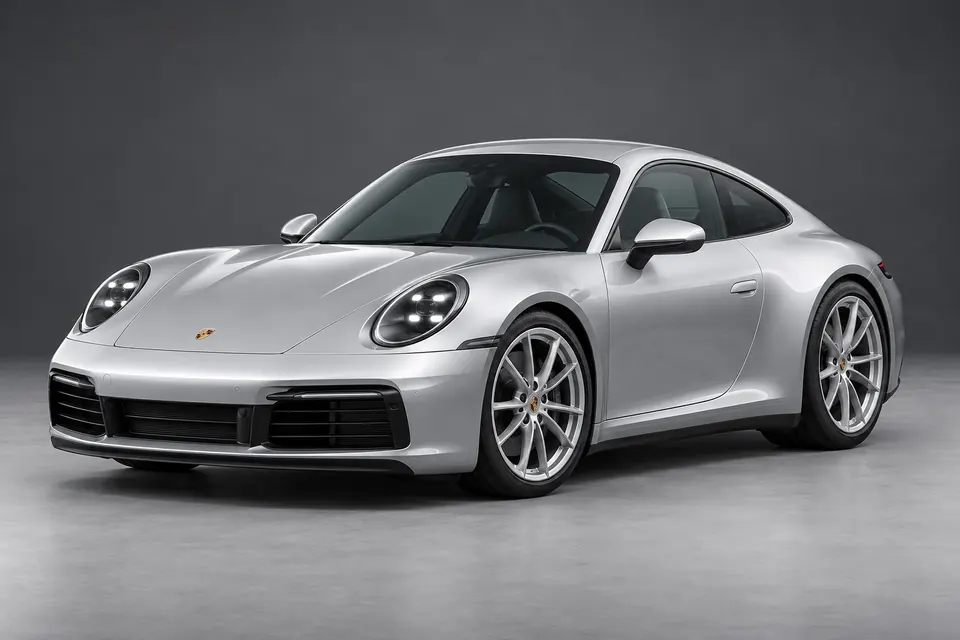
Check part numbers and fitment for the VIN, production changes, width and equipment. The front luggage lid, engine cover, spoiler, lamps and bumper supports are not a universal 911 catalogue. Availability, price, delivery and accurately described supply options should be confirmed before ordering. An exact-generation AI illustration is still an illustration and must not be treated as evidence of workshop repair history or fitment.
Intimate the claim and distinguish cashless assistance
Register the event through the insurer's verified official motor claim-intimation destination and retain the reference. THE SPARE HEAVEN’s enquiry is a request for workshop assistance, not completed insurer registration. Provide the issued policy, vehicle documents, incident account and further information requested. Survey, estimate review and prior approval requirements vary with the insurer and event.
Cashless availability depends on the insurer, coverage, vehicle assessment, approval and confirmed workshop or network eligibility. It is not a guarantee that every 911 component or repair method will be payable. Deductibles, depreciation, exclusions and non-covered amounts may remain customer costs. Ordinary servicing, normal wear and unrelated mechanical failure must be distinguished from eligible event damage.
During authorised dismantling, photograph additional findings and obtain necessary supplementary approval. Before delivery, complete the agreed mechanical, body, lighting, closure and specialist safety checks, then document approved and separately authorised customer work. Send the build details, photographs, warnings, insurer and claim reference when arranging an assessment so the next safe step is clear.
Porsche accident repair, claim assistance and cashless eligibility
THE SPARE HEAVEN – Multi-Brand Car Workshop, Guwahati provides accident-repair services for supported Porsche models and motor insurance claim assistance. Cashless repair facility available with all motor insurance companies at THE SPARE HEAVEN. Individual claims remain subject to insurer approval, policy terms and vehicle survey.
The issued policy and insurer-approved estimate determine the covered accident repairs. Applicable deductibles, depreciation, exclusions and other non-covered charges may remain payable by the customer. A cashless arrangement does not make routine maintenance, normal wear or every mechanical failure an insured accident claim.
THE SPARE HEAVEN is a multi-brand car workshop in Guwahati providing applicable servicing and repairs for supported Porsche vehicles. Work can include periodic maintenance, diagnostics, brake and suspension service, compatible parts replacement, denting and painting, accident assessment and motor insurance claim assistance, after the vehicle and accepted scope are checked.
THE SPARE HEAVEN – Multi-Brand Car Workshop, Guwahati operates independently; manufacturer authorisation is not claimed.
Official insurer claim channels
Find the insurer’s official claim-intimation channel. Confirm current workshop/network eligibility with THE SPARE HEAVEN and the insurer. The issued policy, damage assessment and insurer-approved estimate determine the covered repair and customer contribution.
Choose your insurer’s official claim-intimation link. Submit policy and identity information directly through the insurer’s approved channel. Your insurer decides whether to authorise cashless repairs after assessing your claim against your policy.
Quick answers
Why should THE SPARE HEAVEN check front cooling after a rear-engine 911 Coupé accident?
Applicable water-cooled 911 generations have cooling equipment towards the front. Impact damage can affect radiators, condensers, fans, hoses and supports even though the engine sits at the rear.
Should THE SPARE HEAVEN treat a damaged 911 Coupé rear spoiler only as paintwork?
Not necessarily. Identify the fitted fixed or active aerodynamic assembly, attachments and connected systems. Repair or replacement must follow the relevant configuration and accepted technical process.
Does THE SPARE HEAVEN’s cashless 911 Coupé claim process remove all customer contributions?
No. The policy, assessed damage and approved estimate control coverage. Deductibles, depreciation and excluded items can remain customer-payable even where cashless processing is available.
Can THE SPARE HEAVEN discuss a Porsche 911 Coupé accident assessment matched to its generation and technical scope?
A 911 Coupé collision can damage components far from the engine while leaving the car apparently able to start. Its rear-engine layout, front cooling equipment on relevant generations, low body and performance chassis need a connected assessment. THE SPARE HEAVEN – Multi-Brand Car Workshop, Guwahati, Assam assists with accepted damage inspection, compatible parts enquiries, estimates and motor-insurance documentation. The exact vehicle and available technical scope determine the repair plan.
What warnings, build details and impact evidence should THE SPARE HEAVEN receive before moving a damaged 911 Coupé?
Do not drive after an impact with steering, braking, wheel, leakage, restraint or serious electrical concerns. A damaged undertray can conceal further contact above it. Obtain safe photographs of affected areas, wheel positions and relevant warnings, and describe any water exposure. Suitable low-clearance recovery may be necessary; advise the recovery provider of the vehicle specification and follow its correct instructions. Identify the VIN, generation, derivative, gearbox and driven-wheel configuration. A 992 Carrera, GT3, Turbo S and older 911 can have different brakes, body widths, cooling, aerodynamics and safety systems. T-Hybrid equipment requires an appropriate qualified safety assessment where damage could affect it. This is separate from whether an insurer later agrees to pay for a component.
What should THE SPARE HEAVEN examine around a 911 Coupé’s rear engine and aerodynamic attachments after impact?
Rear damage can involve the bumper, lamps, engine-cover fittings, exhaust, cooling-related components, mounts or the engine and transmission area. Check the affected access panels and surrounding structure using the correct generation-specific method. Starting the engine is not proof that a housing, fluid line or support is safe. Where fitted, assess the spoiler, active aerodynamic mechanisms, connectors and mounting points. A GT3 or other performance wing is not simply a decorative part that can be substituted by appearance. Body width and derivative details influence bumper, fender and related trim fitment. Internal engine or gearbox damage, specialised composites and aerodynamic setup require separately established capability and evidence, not a generic restoration promise.
How should THE SPARE HEAVEN distinguish a 911 Coupé wheel strike from an ordinary alignment job?
A wheel strike can affect the tyre, rim, hub, bearing, suspension arm, joint, steering or brake assembly. Inspect before ordering alignment. Staggered sizes, special tyre specifications and centre-lock equipment, when fitted, influence recovery and workshop handling as well as parts supply. Confirm suitable capability before any centre-lock operation. Distinguish conventional brake damage from PCCB ceramic equipment. Material-specific inspection determines whether a component needs replacement; a ceramic disc must not receive an ordinary steel-disc repair process. PASM, front-axle lift, rear-axle steering and other chassis features should be identified individually. Pre-existing tyre wear or an old damper complaint is not automatically new insured damage because the car has had a collision.
What should THE SPARE HEAVEN’s 911 Coupé repair proposal explain beyond the final paint finish?
The proposal should connect the damage evidence with each repair, replacement and specialist stage. Panel material, damage location, attachment condition and manufacturer procedures determine repairability. Denting and painting need suitable preparation, protection, sealing and colour matching after the underlying repair is accepted. A tidy exterior finish cannot certify concealed structure or restored safety functions.
How should THE SPARE HEAVEN coordinate a 911 Coupé estimate after the owner registers the insurer claim?
Register the event through the insurer's verified official motor claim-intimation destination and retain the reference. THE SPARE HEAVEN’s enquiry is a request for workshop assistance, not completed insurer registration. Provide the issued policy, vehicle documents, incident account and further information requested. Survey, estimate review and prior approval requirements vary with the insurer and event. During authorised dismantling, photograph additional findings and obtain necessary supplementary approval. Before delivery, complete the agreed mechanical, body, lighting, closure and specialist safety checks, then document approved and separately authorised customer work. Send the build details, photographs, warnings, insurer and claim reference when arranging an assessment so the next safe step is clear.
Why should THE SPARE HEAVEN confirm safety-system and calibration requirements after 911 Coupé glass or body repair?
Windshield replacement can affect cameras or other fitted equipment. Determine the actual sensors and required setup or calibration rather than automatically promising a particular procedure on every generation. Airbags, belts and related restraints require proper assessment. A warning-light bypass or code suppression does not complete a safety-system repair. Aluminium, mixed-material, structural or composite work may require referral when the necessary equipment or method is unavailable.
Vehicle and claim reference information
Use the manual for your exact vehicle and the issued insurance policy. Manufacturer references explain vehicle information; current workshop and insurer eligibility must be confirmed separately. They do not establish manufacturer authorization or specialist technical capability.