In this guide
Recognise the original Octavia before planning repairs
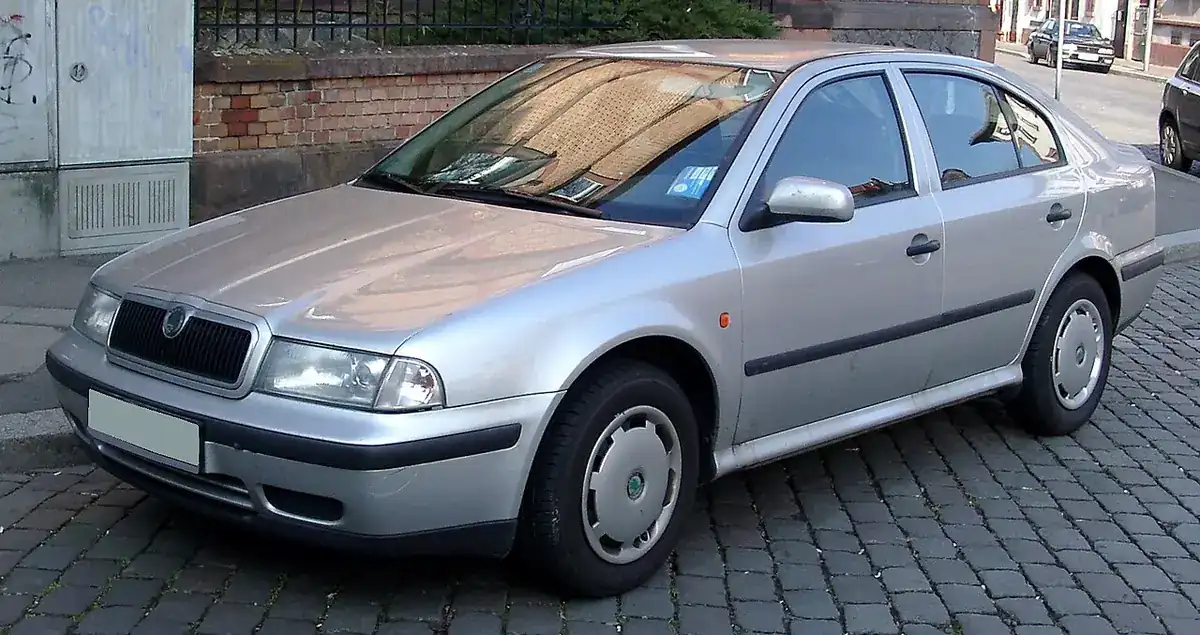
The first modern Octavia established Škoda’s Indian presence in 2001. Today an older first-generation car, including a Tour-badged example where applicable, has very different maintenance needs from a Laura or a later MQB-based Octavia. Its registration year may also differ from its manufacturing year. Badges, imported accessories and replaced lamps are not reliable substitutes for vehicle identification.
THE SPARE HEAVEN – Multi-Brand Car Workshop, Guwahati approaches this generation as an ageing vehicle with an individual repair history. Record the VIN, actual petrol or diesel engine, gearbox and any alterations before requesting Octavia parts in Guwahati. The aim is safe, practical maintenance rather than treating every old Octavia as mechanically identical.
Start with a condition survey and a usable record
Establish what has already been renewed
An old car can have a low odometer reading but deteriorated hoses, seals or wiring. Conversely, a higher-mileage example may have documented replacements and a healthier baseline. Gather evidence for engine oil changes, cooling-system work, belt-related maintenance where fitted, brakes and clutch or transmission repairs. If records are incomplete, ask for an inspection plan instead of assuming that every item must be replaced.
Check the correct owner documentation through Škoda’s manual facility. Specifications and intervals must follow the actual engine and market version. The workshop can separate immediate safety concerns from preventive work and note items requiring further diagnosis. This record helps owners make sensible decisions about a vehicle they intend to retain.
Cooling, lubrication and starting concerns
A temperature rise, coolant smell or unexplained level loss deserves a cooling-system investigation. Age-related hose deterioration, connection leaks, radiator condition, thermostat operation, fan control and water-pump issues can produce overlapping symptoms. Do not keep opening a hot cooling system or continue driving an overheating car. A pressure test or other suitable inspection should follow safe workshop procedures.
For petrol engines, ignition components and the fitted fuel system form part of a rough-running check. A diesel needs a different examination of starting, fuel delivery and applicable electrical assistance. Engine oil specification, filter fitment and belt or tensioner requirements must be verified from the fitted engine. An overhaul is considered only after diagnosis and confirmation of equipment, parts and job support.
Manual and automatic driveline inspection
Older Octavias can have different gearbox arrangements. On a manual, clutch slip, release noise and difficult gear selection should be assessed separately. A clutch plate, pressure plate, release bearing or operating-system component must match the actual engine and transmission; a later Octavia kit cannot be assumed suitable.
Where an automatic is fitted, record the transmission identity before checking fluid requirements or proposing repairs. Engagement delay, vibration and leaks do not automatically prove that the gearbox needs replacement. Mounts, driveshafts, CV joints and electrical or mechanical control issues can influence the complaint. Complex internal transmission work is subject to confirmed technical support, and an estimate should state which inspections have actually been completed.
Ageing brakes and suspension are a safety priority
A dependable older car needs more than fresh engine oil. Inspect brake hoses, calipers, pads, discs and whichever rear brake arrangement is fitted. Corroded connections, hydraulic leakage or a pedal that changes suddenly deserve urgent attention. An ABS warning should be investigated without assuming that a newly fitted wheel sensor will resolve every fault.
Suspension inspection may cover bushes, ball joints, dampers, strut mountings, steering links and wheel bearings. Listen to the owner’s account of where the noise occurs: braking, turning, bumps or straight-line travel. Tyres should be checked for age, damage and uneven wear. Alignment is meaningful only after loose or damaged components have been identified and corrected.
AC, wiring and body condition
An older Octavia’s AC complaint can involve refrigerant leakage, compressor operation, airflow or the blower circuit. Diagnose the system before choosing a compressor, condenser or evaporator. Fuse ratings, wiring repairs and battery connections should be checked carefully when previous owners have added accessories. A charging fault should be distinguished from a discharged battery.
Body inspection matters too. Look for water entry, damaged weather seals, corrosion around prior repairs and loose lamp mountings. These findings may explain electrical issues or persistent cabin odours. Serviceable trim and body panels should not be discarded simply to make the vehicle resemble a newer generation; retaining correct fitment and safe operation is the practical objective.
Order first-generation parts by evidence
Compatible filters, cooling hoses, mounts, brake components, clutch parts and sensors should be identified against the actual application. Compare existing part numbers where useful, but account for earlier incorrect replacements. A bumper, bonnet, lamp or mirror should match the generation and facelift details. The availability of a superficially similar component is not proof of correct fit.
For a discontinued model, discuss sourcing options, condition and the proposed part description before approval. No page on this website guarantees immediate stock or a fixed delivery date. Once we’ve identified your car and its variant, we can check whether the part fits and confirm the price, availability and delivery time. Ask which items are necessary for the diagnosed fault and which are optional cosmetic improvements.
Accident repair and a realistic insurance estimate
Repairability should consider the impact area and the vehicle’s existing condition. A cracked bumper can conceal bracket, radiator-support or lamp damage; a damaged door can require hinge and opening checks. Denting, painting, glass replacement or body repair is assessed within the workshop’s confirmed scope. Structural or safety-system work requires appropriate procedures and capability.
THE SPARE HEAVEN Multi-Brand Workshop, Guwahati provides Škoda accident repair and motor insurance claim assistance. Cashless repair availability is subject to the insurer, policy conditions, survey, claim approval and confirmed workshop or network eligibility.
For an older vehicle, the insurer’s assessment of admissibility and repair cost is particularly important. Policy terms, depreciation, deductibles and excluded items can affect the customer contribution. Intimate through an official insurer claim button, preserve photographs and provide the requested documents. Survey and estimate approval must not be confused with permission to replace every ageing part. Continue with the first-generation Octavia accident guide.
Keep an older Octavia useful in Guwahati
Before long trips, inspect cooling behaviour, braking, tyres, lighting and visible leaks. In the monsoon, avoid uncertain water depth and arrange an assessment if water enters the cabin or engine bay. Maintain a simple service log so faults can be compared with earlier findings. This page describes independent workshop support, not an authorized Škoda service centre.
Book Service · Call Now · WhatsApp · Insurance Claim Enquiry · Google Reviews · Workshop Directions and Contact
Official insurer claim channels
Choose your insurer’s official claim-intimation link. Submit policy and identity information directly through the insurer’s approved channel. Your insurer decides whether to authorise cashless repairs after assessing your claim against your policy.
Quick answers
Why does THE SPARE HEAVEN need more than registration year to identify my Octavia generation?
Manufacture, registration and sale dates can differ. Use the VIN, body identification and actual engine or gearbox details to distinguish the original Octavia from the Laura and later generations.
Should THE SPARE HEAVEN replace every first-generation Octavia hose solely because of age?
Not automatically. Inspect condition, leakage and history, then prioritise damaged or unsuitable components. Some deteriorated items warrant replacement even when mileage is low.
Can THE SPARE HEAVEN fit a later Octavia headlight to my original-generation car?
Do not assume so. Generation, facelift, mounting points, wiring and lighting specification must be matched before ordering a replacement.
Can THE SPARE HEAVEN include old Octavia rust and new collision damage in the same claim?
Disclose both honestly. The insurer distinguishes the insured event from pre-existing deterioration and determines what is admissible under the policy.
What first-generation Octavia repair records should THE SPARE HEAVEN review despite low mileage?
An old car can have a low odometer reading but deteriorated hoses, seals or wiring. Conversely, a higher-mileage example may have documented replacements and a healthier baseline. Gather evidence for engine oil changes, cooling-system work, belt-related maintenance where fitted, brakes and clutch or transmission repairs. If records are incomplete, ask for an inspection plan instead of assuming that every item must be replaced.
Which older-Octavia cooling observations should prompt investigation at THE SPARE HEAVEN?
A temperature rise, coolant smell or unexplained level loss deserves a cooling-system investigation. Age-related hose deterioration, connection leaks, radiator condition, thermostat operation, fan control and water-pump issues can produce overlapping symptoms. Do not keep opening a hot cooling system or continue driving an overheating car. A pressure test or other suitable inspection should follow safe workshop procedures.
Why should THE SPARE HEAVEN inspect ageing Octavia brake hydraulics as well as friction parts?
A dependable older car needs more than fresh engine oil. Inspect brake hoses, calipers, pads, discs and whichever rear brake arrangement is fitted. Corroded connections, hydraulic leakage or a pedal that changes suddenly deserve urgent attention. An ABS warning should be investigated without assuming that a newly fitted wheel sensor will resolve every fault.
How should THE SPARE HEAVEN distinguish first-generation Octavia AC faults from wiring and battery-supply concerns?
An older Octavia’s AC complaint can involve refrigerant leakage, compressor operation, airflow or the blower circuit. Diagnose the system before choosing a compressor, condenser or evaporator. Fuse ratings, wiring repairs and battery connections should be checked carefully when previous owners have added accessories. A charging fault should be distinguished from a discharged battery.
How should THE SPARE HEAVEN account for previous incorrect replacements when sourcing original-generation Octavia parts?
Treat existing part numbers as evidence to check, because an earlier replacement may itself be unsuitable. Confirm the actual mechanical application and, for lamps or panels, the generation and facelift. A matching appearance or a readily available alternative does not establish correct fitment.
Can THE SPARE HEAVEN confirm support for an older-Octavia automatic transmission complaint before internal repair?
Identify the fitted automatic and describe engagement delays, leakage or vibration. THE SPARE HEAVEN should confirm which inspection and repair stages it can support, including any specialist involvement. Mounts, driveshaft joints and control faults may need assessment before the estimate can justify internal transmission work.
Vehicle and claim reference information
Use the manual for your exact vehicle and the issued insurance policy. These sources provide background and do not establish a workshop authorization or insurer tie-up.