In this guide
A steering pull following a wheel impact is a warning to investigate, not an invitation to continue driving until the next scheduled service. The Toyota Urban Cruiser Hyryder has different powertrain and driveline variants, so an accident estimate needs more than the model name. THE SPARE HEAVEN in Guwahati can organise an initial repair enquiry and help customers prepare an SBI General insurance claim file. Inspection findings and the policy determine which repair work can proceed.
Stop and describe the wheel event accurately
A tyre sidewall cut, visibly tilted wheel, fluid loss, grinding noise or uncertain braking makes further driving inappropriate until assessed. Arrange recovery that suits the actual vehicle and follow its owner's manual. If a pothole or kerb was involved, describe the event and location without calling it another type of accident. Photograph the wheel, tyre, surrounding body and safe wider scene. Do not move close to traffic to collect evidence.
Recognise Neo Drive, strong-hybrid and driveline differences
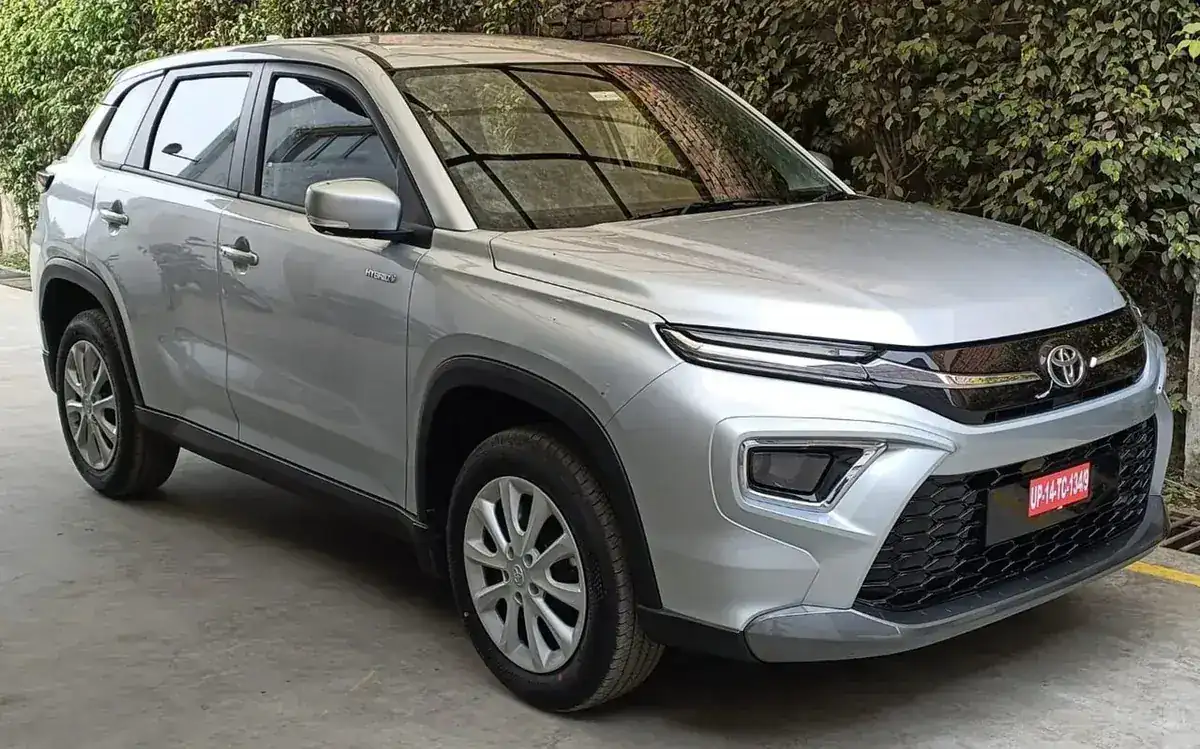
Hyryder specifications vary with year and trim. Mild-hybrid petrol, strong-hybrid and CNG versions need different service and safety planning; all-wheel drive must be verified rather than assumed. A workshop should check the VIN, registration, fuel type and fitted driveline before selecting wheel, hub or suspension parts. Strong-hybrid electrical systems require appropriately qualified handling. If the needed equipment or training is not available, THE SPARE HEAVEN should coordinate referral instead of presenting a routine suspension job as complete specialist support.
Inspect the load path beyond the alloy wheel
Damage may concern the rim, tyre, hub bearing, knuckle, control arm, strut, steering link or relevant ABS wiring. Inspection decides which of those items is implicated; none should be replaced simply because it appears in a parts list. A bent alloy can coexist with a damaged tyre, while a sound-looking wheel can conceal altered suspension geometry. Record measurements and symptoms. The accident repair service can help explain the proposed assessment before customer authorization.
Why alignment alone may be insufficient
An alignment printout is useful after confirming that affected mechanical components are sound. Adjusting geometry around a bent part does not establish its condition. Where driveline or underbody contact is suspected, document it and ask for any necessary supplementary survey. Safety-critical work should use the correct repair method and matching parts, with road testing only after the vehicle is considered safe.
Notify SBI General and check the insured section
Refer to SBI General's official motor-claims guidance for the current intimation, document and assessment process. Keep your claim reference with the accident photographs. Own-damage insurance, where active and applicable, is the relevant cover for the insured Hyryder's eligible damage; third-party-only insurance does not fund its suspension repair. Tyre damage and associated components can have specific policy treatment, so ask the insurer how the reported event is assessed. Avoid predicting approval from the appearance of the wheel.
Bring records that distinguish damage from wear
Prepare the policy schedule, registration certificate, licence of the person driving, claim details and any identity records requested by SBI General. Share the workshop estimate, impact photographs and recovery receipt. If the vehicle already had uneven tyre wear, a pulling complaint or an aftermarket wheel fitment, explain that history. It helps separate accident effects from pre-existing wear or modification. Supply relevant police or third-party documentation when required for the incident rather than assuming it is needed or unnecessary in every case.
Turn the inspection into an authorized repair plan
The estimate should show proposed wheel, tyre and mechanical work separately, supported by findings. SBI General's assessor may seek additional evidence or arrange a survey. Confirm permission for dismantling and obtain the insurer's accepted scope before beginning approved repair. The owner should also consent to the workshop's work, parts choice and any non-insured inspection charges. Keep written updates when parts or findings change; a claim reference by itself is not repair authorization.
Cashless eligibility is specific to this claim
THE SPARE HEAVEN is an independent multi-brand car workshop in Guwahati and does not claim SBI General or Toyota authorization. Whether cashless settlement is possible depends on policy conditions, insurer approval, survey findings and workshop/network eligibility. Confirm those arrangements in advance. Deductibles, depreciation, consumables, exclusions and unsupported non-accident work can remain your responsibility. Ask for the expected contribution before approving a wheel replacement; zero-depreciation cover does not necessarily erase every deduction or limit.
Return to service with a recorded follow-up
Delivery should include the applicable inspection results, approved repair record, tyre/wheel specification and any relevant alignment information. Request an explanation if a warning persists. Monitor a fresh pull, vibration or noise by reporting when it occurs, not by attempting repeated high-speed tests. Periodic oil/filter service, hybrid-system maintenance and CNG checks should follow the correct handbook, separately from this claim. See the Hyryder service guide for a variant-based maintenance discussion.
Ask THE SPARE HEAVEN for the next practical step
Book an appointment with the affected wheel and powertrain details. Make an insurance claim enquiry for SBI General documentation assistance. Call Now to discuss recovery, or WhatsApp us with safe photographs of the wheel and tyre. The Google Reviews link is available for your own workshop feedback after the visit.
Official insurer claim channels
Choose your insurer’s official claim-intimation link. Submit policy and identity information directly through the insurer’s approved channel. Your insurer decides whether to authorise cashless repairs after assessing your claim against your policy.
Quick answers
Should THE SPARE HEAVEN only balance a normal-looking Hyryder wheel that vibrates after a strike?
First report the impact and have tyre, rim, bearing and suspension condition assessed. Balancing cannot determine whether a component was bent or damaged.
Can THE SPARE HEAVEN use the same recovery advice for every petrol and strong-hybrid Hyryder?
Use the recovery instructions for that exact vehicle and driveline. Tell the recovery provider it is a strong hybrid and avoid assuming generic towing advice covers every configuration.
Will SBI General treat existing Hyryder tyre wear as accident damage in THE SPARE HEAVEN’s claim?
Normal wear and damage from an insured event are different. Present the history and evidence accurately; the insurer applies the relevant tyre and own-damage policy terms.
What should I request from THE SPARE HEAVEN after Hyryder suspension repairs?
Ask for the inspected and replaced items, correct part identification, relevant geometry results and any follow-up guidance. Report renewed steering pull or abnormal noise promptly.
Can THE SPARE HEAVEN confirm the supported inspection or referral for my Hyryder wheel-impact claim?
Yes. THE SPARE HEAVEN should identify the actual fuel system and driveline before accepting the inspection. Strong-hybrid handling needs qualified personnel, with referral where required equipment or training is unavailable.
Which components may THE SPARE HEAVEN need to inspect beyond a damaged Hyryder alloy wheel?
Damage may concern the rim, tyre, hub bearing, knuckle, control arm, strut, steering link or relevant ABS wiring. Inspection decides which of those items is implicated; none should be replaced simply because it appears in a parts list. A bent alloy can coexist with a damaged tyre, while a sound-looking wheel can conceal altered suspension geometry. Record measurements and symptoms. The accident repair service can help explain the proposed assessment before customer authorization.
Why can alignment alone be insufficient in THE SPARE HEAVEN’s Hyryder impact assessment?
An alignment printout is useful after confirming that affected mechanical components are sound. Adjusting geometry around a bent part does not establish its condition. Where driveline or underbody contact is suspected, document it and ask for any necessary supplementary survey. Safety-critical work should use the correct repair method and matching parts, with road testing only after the vehicle is considered safe.
How should I notify SBI General and check cover for THE SPARE HEAVEN’s Hyryder repair enquiry?
Refer to SBI General's official motor-claims guidance for the current intimation, document and assessment process. Keep your claim reference with the accident photographs. Own-damage insurance, where active and applicable, is the relevant cover for the insured Hyryder's eligible damage; third-party-only insurance does not fund its suspension repair. Tyre damage and associated components can have specific policy treatment, so ask the insurer how the reported event is assessed. Avoid predicting approval from the appearance of the wheel.
What earlier wear or modified-wheel history should I disclose to THE SPARE HEAVEN and SBI General?
Prepare the policy schedule, registration certificate, licence of the person driving, claim details and any identity records requested by SBI General. Share the workshop estimate, impact photographs and recovery receipt. If the vehicle already had uneven tyre wear, a pulling complaint or an aftermarket wheel fitment, explain that history. It helps separate accident effects from pre-existing wear or modification. Supply relevant police or third-party documentation when required for the incident rather than assuming it is needed or unnecessary in every case.
How does THE SPARE HEAVEN turn Hyryder wheel-impact findings into an authorised repair plan?
The estimate should show proposed wheel, tyre and mechanical work separately, supported by findings. SBI General's assessor may seek additional evidence or arrange a survey. Confirm permission for dismantling and obtain the insurer's accepted scope before beginning approved repair. The owner should also consent to the workshop's work, parts choice and any non-insured inspection charges. Keep written updates when parts or findings change; a claim reference by itself is not repair authorization.
Vehicle and claim reference information
Use the manual for your exact vehicle and the issued insurance policy. These sources provide background and do not establish a workshop authorization or insurer tie-up.