In this guide
Finding a cracked lamp after leaving a Toyota Urban Cruiser Taisor parked can be frustrating, especially when no witness is available. The useful first step is to preserve what is known, identify the damaged assembly and establish whether it is safe to drive. THE SPARE HEAVEN can discuss Taisor lamp assessment and Go Digit insurance claim assistance in Guwahati. A clear account of the damage is more valuable than trying to guess a collision story for the claim form.
Preserve the discovery details
Note where the vehicle was parked, when it was last seen undamaged and when the breakage was noticed. Photographs should show the lamp, neighbouring panels and the whole vehicle, taken without obstructing traffic. Ask a property owner about available CCTV rather than promising footage that may not exist. Do not describe an unknown driver or exact incident time as confirmed. If malicious damage, injury or another circumstance requires police documentation, follow the insurer's and authorities' guidance.
Establish which Taisor lamp was fitted
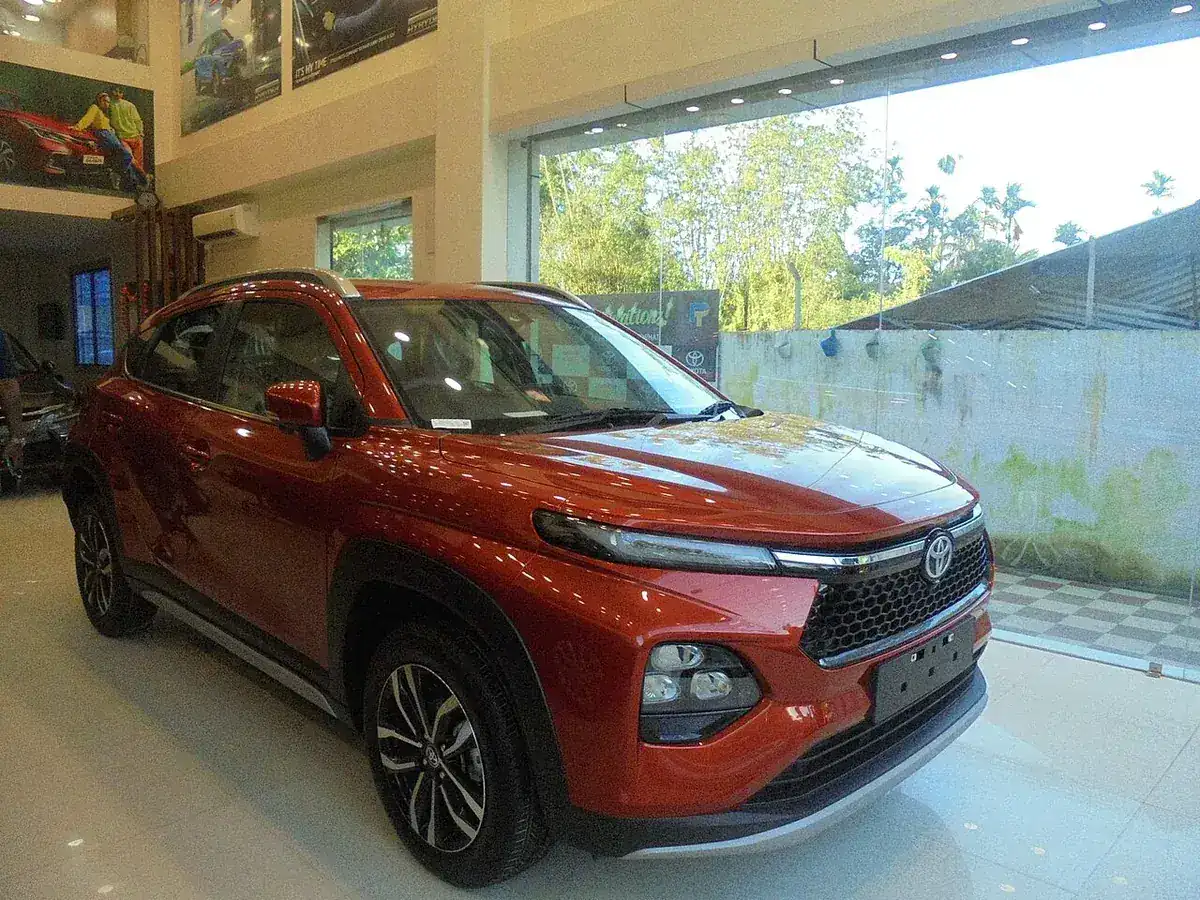
Front and rear assemblies, daytime running lamps, indicators and trim-dependent lighting equipment are not one universal part. Registration year, VIN, side and fitted specification must be checked. A turbo, non-turbo or CNG designation also belongs in the vehicle record, although it does not alone identify the lamp. Where mild-hybrid equipment is fitted, it should be recognised in the broader service file. Toyota's current showroom information helps identify the family; the actual vehicle determines the replacement part.
Inspect water entry and supporting damage
A cracked lens can allow moisture into the assembly or expose a damaged connector. The bumper corner, lamp tabs, nearby fender and wiring may also have suffered impact. Do not assume a functioning bulb means the mounting is secure. Conversely, a warning light does not prove the entire lamp needs replacement. A technician should inspect the affected unit and applicable circuit before quoting. THE SPARE HEAVEN can explain that accident inspection and whether specialist electronic support is needed.
Visibility before appearance
Do not use a car at night or in poor visibility with unsafe lighting. Temporary tape may neither preserve optical performance nor prevent water entry reliably. It is not a substitute for a roadworthiness decision. Avoid drying a sealed lamp with improvised heat or opening it simply to reduce the estimate; the manufacturer's repairability and the unit's condition govern a sound repair choice.
File accurate information with Go Digit
The Go Digit official claims page links its current motor-claim channels and guidance. Follow the issued policy's instructions and retain the reference and requested photographs. Own-damage coverage must be active and applicable for eligible damage to the insured Taisor. A liability-only policy does not pay for its broken lamp merely because another vehicle may have caused it. Digital inspection may be requested; do not dismantle or replace the unit before checking assessment requirements.
Choose a claim with the costs in view
For isolated lamp damage, ask for a written estimate before deciding how to fund the job. Compare likely admissible repair costs with deductibles, depreciation and other customer contributions. Ask Go Digit how a claim may affect no-claim bonus under your policy; do not assume a small claim always has the same outcome. If the impact caused hidden panel or wiring damage, the calculation may change after authorized inspection. A quotation supports the decision but does not guarantee the insurer's assessment.
Provide the requested records once, clearly
Keep the policy schedule, RC, relevant driver's licence information, claim declaration and insurer-requested identity records available. For parked-car damage, answer the form's questions truthfully about whether anyone was driving and what is actually known. Attach the matching lamp estimate and photographs without editing away older marks. If another party later provides details, update the insurer through the claim channel. Store acknowledgements so the workshop and customer can refer to the same claim rather than making duplicate reports.
Approval, cashless status and workshop independence
Go Digit decides claim admissibility and can require survey or further evidence. Start approved repair after the necessary authorization and customer consent. THE SPARE HEAVEN is an independent multi-brand workshop in Guwahati; listing Go Digit guidance is not evidence of an insurer partnership or Toyota authorization. Cashless repair depends on policy terms, insurer approval, findings and applicable workshop/network arrangements. Confirm eligibility before delivery of the vehicle. Deductibles, non-approved items, consumables and exclusions may still be payable even when direct settlement is arranged.
Finish with light-function checks and service notes
Check the repaired lamp's fit, connector security, lighting functions and relevant aiming or setup according to the equipment fitted. The repair record should identify the assembly used and any related work. After rain, report new moisture or malfunction for assessment. Routine oil/filter maintenance, brake checks and AC service remain separate unless there is an accepted accident connection. The Taisor maintenance and parts guide helps plan those tasks with the correct variant rather than a generic crossover checklist.
Send a focused enquiry
Book an appointment for lamp inspection and request claim assistance if insured with Go Digit. Call Now to discuss unsafe lighting or WhatsApp THE SPARE HEAVEN the affected side, year and safe photographs. Use Google Reviews after your visit to share feedback based on the actual service.
Official insurer claim channels
Choose your insurer’s official claim-intimation link. Submit policy and identity information directly through the insurer’s approved channel. Your insurer decides whether to authorise cashless repairs after assessing your claim against your policy.
Quick answers
Can I tell THE SPARE HEAVEN an unseen car caused my parked Taisor lamp damage?
Describe the damage discovery and known facts, and distinguish your suspicion from evidence. CCTV, witnesses or later information can be submitted without inventing an account.
Should I leave a cracked but working Taisor lamp until the next THE SPARE HEAVEN service?
Have its safety, mounting and moisture protection assessed. Continuing use may worsen electrical or optical problems, and driving conditions may require recovery rather than delay.
Can I replace the Taisor lamp before Go Digit reviews THE SPARE HEAVEN’s claim enquiry?
Check the insurer's inspection and authorization requirements first. Replacement can remove damage evidence; retain any requested photographs and parts according to its instructions.
Is claiming for one Taisor lamp always cheaper than paying THE SPARE HEAVEN directly?
Compare the actual quotation, admissible amount, deductions and possible no-claim-bonus effect. The right choice depends on your policy and the extent of related damage.
Can THE SPARE HEAVEN assess a broken Taisor lamp and identify any specialist electronic need?
A cracked lens can allow moisture into the assembly or expose a damaged connector. The bumper corner, lamp tabs, nearby fender and wiring may also have suffered impact. Do not assume a functioning bulb means the mounting is secure. Conversely, a warning light does not prove the entire lamp needs replacement. A technician should inspect the affected unit and applicable circuit before quoting. THE SPARE HEAVEN can explain that accident inspection and whether specialist electronic support is needed.
What discovery details should I preserve for THE SPARE HEAVEN’s parked-Taisor damage enquiry?
Note where the vehicle was parked, when it was last seen undamaged and when the breakage was noticed. Photographs should show the lamp, neighbouring panels and the whole vehicle, taken without obstructing traffic. Ask a property owner about available CCTV rather than promising footage that may not exist. Do not describe an unknown driver or exact incident time as confirmed. If malicious damage, injury or another circumstance requires police documentation, follow the insurer's and authorities' guidance.
Which Taisor lamp and vehicle details should THE SPARE HEAVEN verify before parts selection?
Front and rear assemblies, daytime running lamps, indicators and trim-dependent lighting equipment are not one universal part. Registration year, VIN, side and fitted specification must be checked. A turbo, non-turbo or CNG designation also belongs in the vehicle record, although it does not alone identify the lamp. Where mild-hybrid equipment is fitted, it should be recognised in the broader service file. Toyota's current showroom information helps identify the family; the actual vehicle determines the replacement part.
Why should THE SPARE HEAVEN assess Taisor lamp safety before relying on tape or improvised drying?
Do not use a car at night or in poor visibility with unsafe lighting. Temporary tape may neither preserve optical performance nor prevent water entry reliably. It is not a substitute for a roadworthiness decision. Avoid drying a sealed lamp with improvised heat or opening it simply to reduce the estimate; the manufacturer's repairability and the unit's condition govern a sound repair choice.
How can hidden Taisor damage change the funding decision discussed with THE SPARE HEAVEN?
Authorised inspection can reveal related panel or wiring damage beyond one lamp. Ask THE SPARE HEAVEN for the revised written scope and compare it with the insurer’s accepted amount and deductions before deciding the funding route.
How should I submit a clear parked-Taisor claim record alongside THE SPARE HEAVEN’s estimate?
Keep the policy schedule, RC, relevant driver's licence information, claim declaration and insurer-requested identity records available. For parked-car damage, answer the form's questions truthfully about whether anyone was driving and what is actually known. Attach the matching lamp estimate and photographs without editing away older marks. If another party later provides details, update the insurer through the claim channel. Store acknowledgements so the workshop and customer can refer to the same claim rather than making duplicate reports.
Vehicle and claim reference information
Use the manual for your exact vehicle and the issued insurance policy. These sources provide background and do not establish a workshop authorization or insurer tie-up.