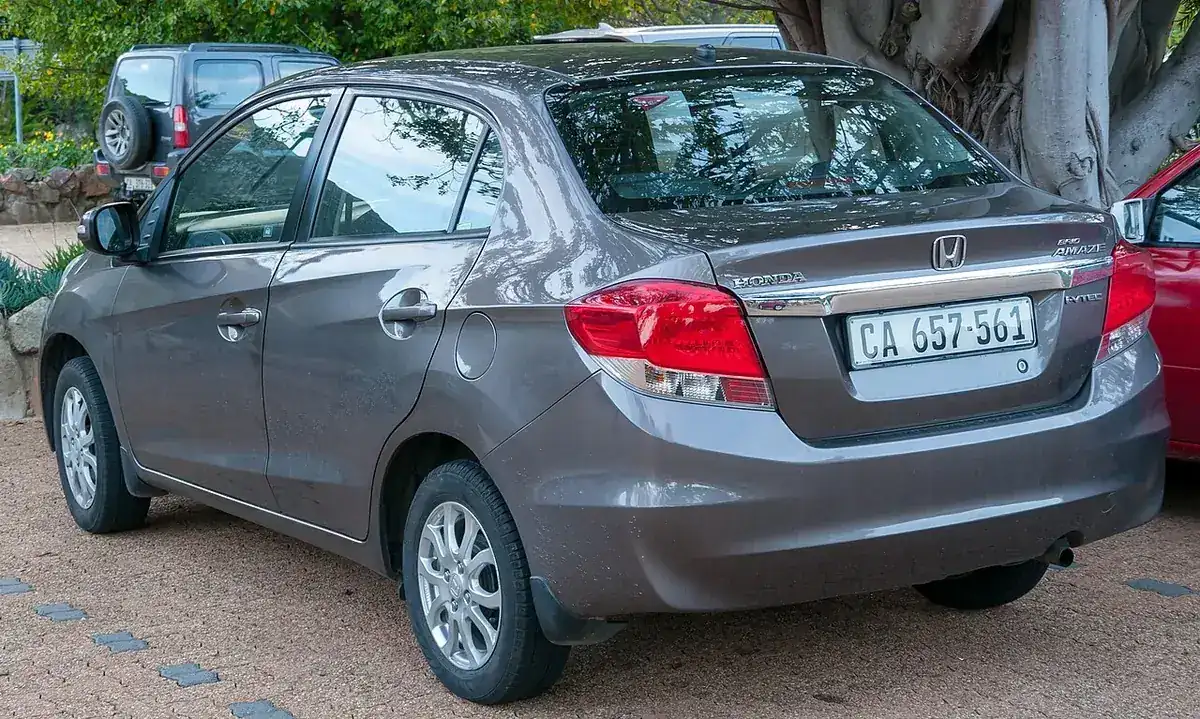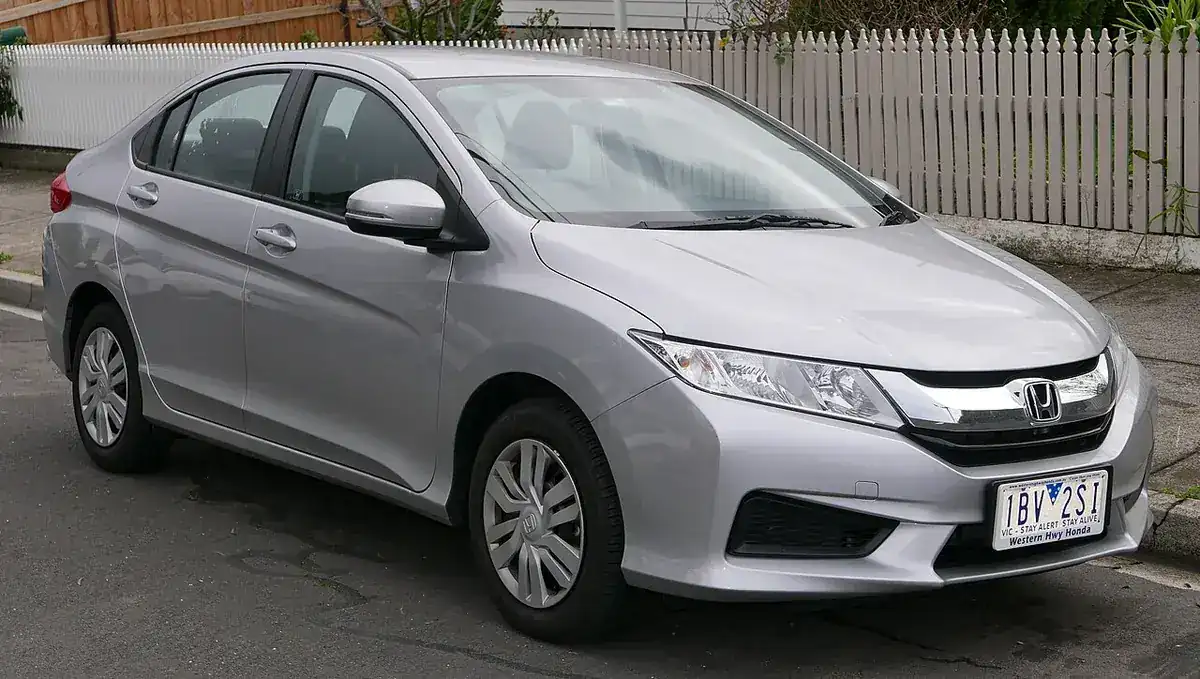
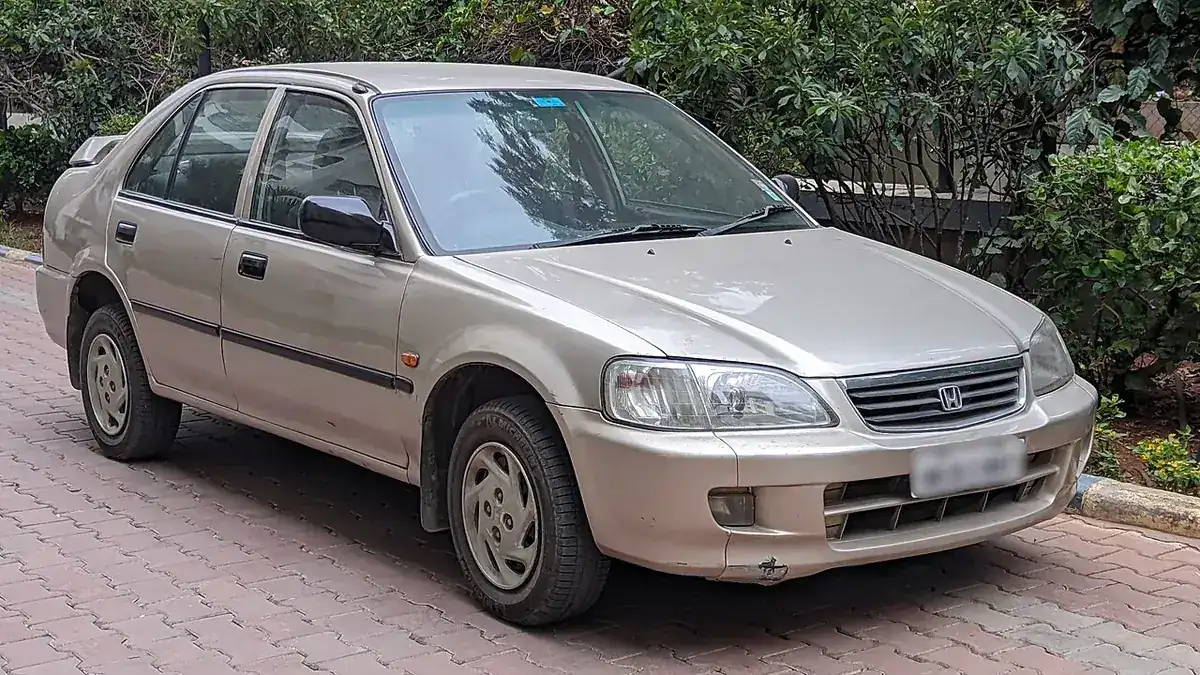
In this guide
An original Indian Honda City can hold years of family history. Maintaining one now calls for a clear view of its condition, not assumptions based on the reputation it earned when new. THE SPARE HEAVEN – Multi-Brand Car Workshop, Guwahati can discuss an older City's inspection, parts enquiries and accident claim assistance. Any repair must fit the actual vehicle and the workshop's verified capability. THE SPARE HEAVEN is an independent multi-brand workshop; it does not claim Honda dealer authorisation or guaranteed restoration capability.
Define first generation in the Indian context
Here, first-generation Honda City means the sedan sold in India from 1998 to 2003. Honda's own Indian history uses that period. It does not refer to the much earlier overseas City hatchbacks that appear in global searches. Generation terminology is useful only if it leads to the correct car and component.
The Indian range included different petrol versions, including the later VTEC model, so a “City 1.5” or “old City” parts description is insufficient. Identify the VIN, engine and any documented replacement or modification before ordering. The second-generation Indian City guide covers the subsequent i-DSI-era sedan, which needs a different catalogue.
Start with a condition report rather than a large package
For a car over two decades old, a first visit should establish what is sound, what is unsafe and what needs more investigation. Previous repair quality can matter as much as the odometer reading. Explain any long storage periods, overheating events or accident work that you know about, even if they occurred years ago.
Ask the estimate to separate roadworthiness priorities, scheduled maintenance, reliability concerns and appearance work. This helps you decide where to begin without approving an open-ended list of replacements. The applicable Honda maintenance information, time, mileage and known work should inform the plan; one modern service interval should not be imposed on every early City. Bring available invoices and the original handbook.
Investigate leaks and temperature concerns carefully
Age can affect hoses, seals and connections, but a visible stain does not identify its source. An inspection should establish which fluid is involved and where it comes from before a repair is quoted. Similarly, a temperature concern needs assessment of the cooling system and engine condition rather than a promise that replacing one component will solve it.
Tell THE SPARE HEAVEN whether a symptom occurs from cold, after warming up or with the AC in use. Follow the vehicle's warning guidance and arrange professional help if the car is not safe to drive. A previously overheated engine may need a broader assessment. Discuss diagnostic limits and referral if specialist engine work is beyond the confirmed equipment or experience available.
Verify VTEC and ignition parts on the vehicle
An engine badge is a starting point, not the whole record
A VTEC badge, an altered engine bay or an enthusiast description does not prove the exact installed specification. For an early City, compare the documents, engine identification and actual components before selecting ignition, sealing or engine parts. Record modifications honestly so a diagnosis is not built around the wrong factory configuration.
Rough running, difficult starting and hesitation have several possible causes. Ask for the finding and supporting checks before buying a set of parts. THE SPARE HEAVEN can discuss the diagnostics service information, while confirming support for the older car's actual diagnostic system. A modern scan tool's presence alone is not proof that it covers every early ECU.
Look at rubber, brakes and body condition together
A cherished vehicle may look tidy while still needing a tyre, brake, mounting or underbody-condition assessment. Cracked rubber, worn joints, corrosion and earlier repairs should be evaluated on the individual car. Avoid interpreting this inspection list as a claim that every first-generation City suffers the same faults.
Steering play, a brake pull or a new noise should be explained before the car is used for a long journey. Structural corrosion and accident damage are distinct from surface paint defects and may require qualified specialist assessment. Seat-belt and any fitted restraint-system repairs also need verified capability or referral. The general service guide can help organise the initial THE SPARE HEAVEN enquiry.
Choose a parts route before committing to cosmetic work
THE SPARE HEAVEN parts sourcing for an early City begins by checking the exact required item and current availability. Some mechanical consumables may have options while model-specific lamps, trim or body pieces need a longer search. Neither immediate stock nor a fixed sourcing deadline should be assumed. Ask what is available before dismantling the car for an appearance project.
A quote should state the proposed supplier, part category, fitment basis and warranty conditions. Any used component needs a clear description of condition and suitability; safety-critical items require an appropriate verified source. Compare the third-generation Indian City article only to identify that later sedan, not to assume its parts fit the original car.
Discuss insurance with the age and damage clearly recorded
An old vehicle can still have an accident claim, but the repair decision depends on the actual policy and the insurer's assessment. Notify the insurer promptly and follow its directions about survey, documents and approval. THE SPARE HEAVEN claim assistance in Guwahati can help organise the damage photographs and estimate; it cannot decide admissibility or guarantee payment.
Cashless handling requires policy eligibility, insurer approval and confirmed workshop network status. No tie-up is established here. Ask how deductibles, applicable depreciation, parts availability and the assessed loss affect your contribution and the proposed repair. The cashless claim assistance page and insurance contact directory support that discussion. Agree any customer-funded improvements separately from the accident estimate.
Check early City systems before building a parts list
An original Indian City's engine assessment should account for its actual petrol variant and installed components. Oil, oil and air filters, spark plugs and ignition parts require an appropriate specification; altered wiring or a changed engine can complicate catalogue assumptions. A cooling-system estimate should explain the condition of the radiator, fan, hoses and relevant controls, especially after an earlier overheating event. Do not let a replacement part obscure the need to assess the engine itself.
For an identified manual vehicle, a clutch plate, pressure plate and release bearing enquiry needs the correct engine and gearbox match. Any automatic vehicle should instead have its transmission identified before fluids or internal work are discussed. Brake pads, discs, rear brake parts and whatever ABS equipment is actually fitted need inspection; the features of a newer City cannot be assumed here.
Age-related steering and suspension concerns may involve rack or linkage condition, joints, bushes, struts, mountings and wheel bearings. Ask which finding explains the reported play or noise and which component remains serviceable. Weak cabin cooling can call for AC compressor, condenser or blower diagnosis. The conventional petrol car's battery, alternator, starter and old electrical connections also deserve attention when symptoms justify it. Model-specific bonnet, boot lid, lamps, bumpers, locks and weather seals can determine whether a body repair is practical. THE SPARE HEAVEN must verify fitment, sourcing and job capability before making a commitment.
Bring the early City's history to THE SPARE HEAVEN
Use THE SPARE HEAVEN booking form to request an inspection with the year, engine details, mileage and principal concern. Call the Guwahati workshop or send photographs on WhatsApp for a parts or bodywork enquiry. Confirm the accepted job scope before transport is arranged.
Check THE SPARE HEAVEN location and contact information, read the Honda review information, and browse the Honda care hub. A documented, staged plan makes it easier to decide how to care for a City that has already served for many years.
Official insurer claim channels
Choose your insurer’s official claim-intimation link. Submit policy and identity information directly through the insurer’s approved channel. Your insurer decides whether to authorise cashless repairs after assessing your claim against your policy.
Quick answers
When I contact THE SPARE HEAVEN about Honda City First Generation India, which City is called first generation in this guide?
It is the first Indian-market City sedan sold from 1998 to 2003. Earlier overseas City hatchbacks and later Indian sedans belong to different parts and service scopes.
For Honda City First Generation India, can THE SPARE HEAVEN work on a first-generation City VTEC?
Discuss the actual engine, condition and required job with THE SPARE HEAVEN. Parts identification, diagnostic support and accepted repair capability must be confirmed; specialist work may need referral.
When I contact THE SPARE HEAVEN about Honda City First Generation India, should all old rubber parts be replaced together?
A condition assessment and the applicable maintenance guidance should determine the work. Ask for identified findings and priorities rather than assuming every component needs replacement.
When I contact THE SPARE HEAVEN about Honda City First Generation India, does an old City automatically qualify for cashless repair?
No. Policy coverage, the insurer’s assessment and approval, and confirmed workshop network eligibility govern cashless handling. Customer charges and sourcing limitations should be explained before work is authorised.
Can THE SPARE HEAVEN discuss an original Indian Honda City condition assessment, parts enquiry or accident claim?
An original Indian Honda City can hold years of family history. Maintaining one now calls for a clear view of its condition, not assumptions based on the reputation it earned when new. THE SPARE HEAVEN, a multi-brand workshop in Guwahati, can discuss an older City's inspection, parts enquiries and accident claim assistance. Any repair must fit the actual vehicle and the workshop's verified capability. THE SPARE HEAVEN is an independent multi-brand workshop; it does not claim Honda dealer authorisation or guaranteed restoration capability.
What history should I give THE SPARE HEAVEN to establish a first-generation City condition report?
For a car over two decades old, a first visit should establish what is sound, what is unsafe and what needs more investigation. Previous repair quality can matter as much as the odometer reading. Explain any long storage periods, overheating events or accident work that you know about, even if they occurred years ago.
Why should THE SPARE HEAVEN verify the installed engine and modifications before ordering early City parts?
A VTEC badge, an altered engine bay or an enthusiast description does not prove the exact installed specification. For an early City, compare the documents, engine identification and actual components before selecting ignition, sealing or engine parts. Record modifications honestly so a diagnosis is not built around the wrong factory configuration.
How should THE SPARE HEAVEN investigate an early City fluid leak or temperature concern and identify any referral need?
Identify the fluid and the leak source before quoting a repair; a stain alone does not establish which hose, seal or connection is responsible. Explain whether temperature symptoms occur cold, warm or with the AC running. A previously overheated engine may need broader assessment rather than an assumed one-part cure. Follow warning guidance and arrange professional help if driving is unsafe; agree referral when specialist engine work exceeds confirmed capability.
What safety concerns should THE SPARE HEAVEN assess beyond appearance on a first-generation City?
Report steering play, brake pull or new noise before a long journey, and have tyres, brakes, mountings, joints and underbody condition assessed on the actual car. A tidy appearance does not resolve corrosion or previous-repair concerns. Structural deterioration and accident damage require a different assessment from surface paint, and restraint work needs verified capability or referral.
What should THE SPARE HEAVEN confirm before dismantling an early City for cosmetic restoration?
Establish the exact required parts and current supply position before taking the car apart. Routine consumables may have sourcing options while model-specific lamps, trim or body pieces need more searching; immediate stock and fixed deadlines should not be assumed. The quotation should state supplier, part category, fitment and warranty. Any used item needs an honest condition and suitability description, with an appropriate verified source for safety-critical parts.
Vehicle and claim reference information
Use the manual for your exact vehicle and the issued insurance policy. These sources provide background and do not establish a workshop authorization or insurer tie-up.