In this guide
For the second-generation Indian Honda City, the engine and transmission description is especially important. A City i-DSI, a ZX VTEC and a CVT car can lead to different parts and diagnostic enquiries even when owners use the same familiar model name. THE SPARE HEAVEN – Multi-Brand Car Workshop, Guwahati can help discuss maintenance, component identification and accident claim assistance. It operates independently across brands, without Honda dealer authorisation. Confirm the vehicle's specification and the workshop's accepted capability before committing to a repair.
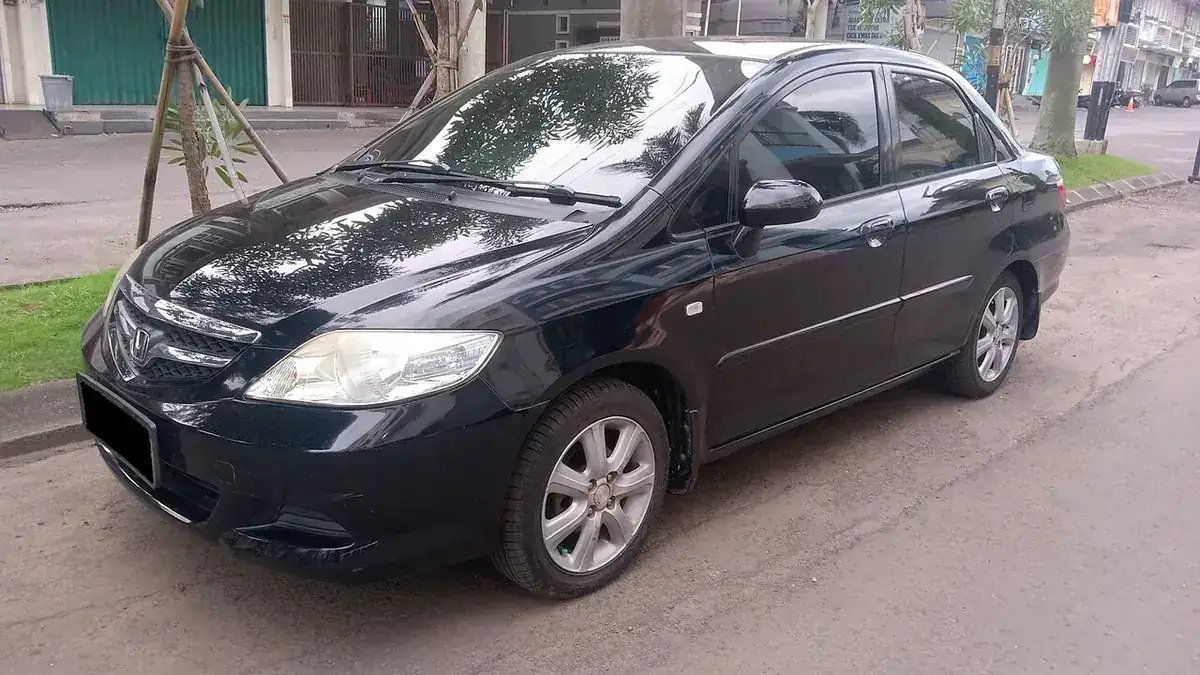
Identify the 2003–2008 Indian City
This guide covers the second-generation City in India's model chronology, introduced in 2003 and succeeded in 2008. Some overseas catalogues label this body differently, so the Indian generation number alone is not enough for a parts order. The distinctive early body and the later City ZX update belong within this scope.
Honda's Indian history documents the 1.5-litre i-DSI engine and introduction of a CVT. The ZX range also included a VTEC version. Manual versions and the i-DSI CVT must be distinguished; do not assume that every VTEC badge signifies a CVT. The first-generation Indian City guide concerns the earlier 1998–2003 sedan rather than this car.
Understand the dual-plug i-DSI engine
Verify the ignition system before choosing a service kit
Honda's i-DSI design uses two spark plugs per cylinder. On the identified four-cylinder i-DSI engine, that means an eight-plug ignition arrangement, which is different from treating the car as a generic four-plug petrol sedan. This does not mean every rough-running i-DSI needs eight new plugs or a complete set of ignition components.
Explain whether the concern is difficult starting, uneven idle or hesitation under particular conditions. The workshop should identify the engine and inspect the relevant system before proposing parts. The ZX VTEC engine requires its own catalogue and service guidance; a kit labelled “City petrol” can omit that distinction. THE SPARE HEAVEN diagnostic service information is a useful enquiry starting point, with support for the actual older ECU confirmed first.
Give the early CVT its own assessment
An early City CVT is not the five-speed conventional automatic fitted to the subsequent Indian generation. Its required fluid, operating characteristics and repair approach must be established from the actual vehicle's information. A modern Honda CVT recommendation also should not be transferred automatically to this older transmission.
Record a judder, delayed response or warning and whether it occurs when cold, warm or moving away. Inspection should consider maintenance records, faults and other causes of vibration before a repair is proposed. A fluid change cannot be promised to cure every complaint. Internal transmission work needs verified suitable equipment and experience at THE SPARE HEAVEN or a specialist referral. The gearbox service page helps prepare that discussion.
Put age and previous repairs into the service plan
An otherwise lightly used City from this period is now an older vehicle. Hoses, seals, tyres and electrical connections need condition assessment alongside the scheduled maintenance due. Supply the owner's manual where available and compare it with elapsed time, kilometres and invoices. Avoid adopting one fixed interval from a much newer City brochure.
Explain any long storage, coolant-loss episode or accident repair. A temperature complaint needs investigation before a radiator or other part is chosen. Likewise, a brake pull or new steering noise should receive a clear finding rather than an automatic package of parts. Ask for immediate roadworthiness priorities and work that can reasonably be planned later.
Translate the finding into a complete parts estimate
Routine items should be listed with their correct specification: engine oil, oil and air filters, the identified engine's spark plugs and any other scheduled consumables. Ignition-coil or related component replacement needs a diagnostic basis, particularly on the dual-plug i-DSI. Cooling estimates should distinguish a radiator, fan, thermostat or hose fault from an unresolved engine or leakage concern.
A manual City's clutch enquiry may involve its clutch plate, pressure plate and release bearing after inspection. That conventional manual-clutch list does not define a CVT repair. Brake pads, discs, rear brake components and fitted ABS equipment need the actual variant match, while a warning needs sensor, wiring and system checks before an item is condemned. Suspension struts, mountings, joints, bushes and wheel bearings can explain different noises; steering-assistance and linkage concerns need their own assessment.
For cabin cooling, an estimate should identify whether the AC compressor, condenser, blower or a control issue explains the symptom. Battery, alternator, starter and connection testing can distinguish starting from charging problems on this conventional petrol sedan. Bonnet, boot lid, lamp, bumper, lock and seal enquiries need early-body or ZX fitment identification. THE SPARE HEAVEN must confirm the proposed source, availability and fitting capability item by item, especially where discontinued trim or an earlier non-original repair complicates the match.
Investigate cabin and boot water marks before cosmetic work
A damp rear carpet or boot may follow rain, glass replacement or an old body repair. Tell the workshop where moisture first appears and whether it has changed after a repair. The leak path should be found before an interior-cleaning estimate is treated as the solution. Boot-lid alignment, lamp sealing and window fittings may need consideration depending on the findings.
If you own a later City as well, the third-generation Indian City care guide helps distinguish its body and transmission scope. Similar badges do not make the glass, lamps or weather seals interchangeable.
Keep the accident claim separate from optional improvements
Notify your insurer of an incident through its official reporting channel and retain the claim reference. THE SPARE HEAVEN claim assistance in Guwahati can help organise photographs and an itemised estimate. The insurer decides the assessed loss and admissibility, and its instructions determine survey, document and repair-approval steps. Any hidden damage can require an additional estimate rather than an assumption that all work is already approved.
Cashless repair depends on the policy, insurer approval and confirmed workshop network eligibility. No tie-up is verified here. Use the cashless assistance page and official insurance directory to prepare. Ask how deductibles, applicable depreciation and unapproved upgrades affect your contribution. Structural and restraint repairs require confirmed trained and equipped capability or referral.
Review the proposed job before authorising parts
For an older City, the cheapest line item is not always the most useful comparison. Check that estimates address the same finding, part category, fittings and agreed labour. A repair that depends on an unavailable lamp or mounting needs a sourcing decision before the car is taken apart. Ask for any proposed change in scope to be explained and authorised.
At delivery, the invoice should identify completed work, parts supplied and any remaining observations. Discuss the appropriate check of the original symptom and any follow-up advised for the particular repair. A staged approach can make the work manageable without concealing unresolved safety concerns.
Contact THE SPARE HEAVEN with the engine and gearbox details
Send the year, VIN, engine description and mileage when you book a City inspection. Call THE SPARE HEAVEN or use WhatsApp for a parts enquiry with clear photographs. Confirm job acceptance before arranging a visit or recovery.
Check the Guwahati contact and location information, read the Honda review information, and use the Honda model care hub to select the correct generation.
Official insurer claim channels
Choose your insurer’s official claim-intimation link. Submit policy and identity information directly through the insurer’s approved channel. Your insurer decides whether to authorise cashless repairs after assessing your claim against your policy.
Quick answers
For Honda City Second Generation India, does a second-generation City i-DSI have eight spark plugs?
The identified four-cylinder i-DSI uses two plugs per cylinder, giving eight plugs. Confirm the engine on the car before THE SPARE HEAVEN selects ignition parts; the VTEC variant has a different service scope.
When I contact THE SPARE HEAVEN about Honda City Second Generation India, is the old City CVT the same as the next generation’s automatic?
No. The later Indian third-generation City offered a five-speed conventional automatic. An early City CVT needs its own fluid specification, diagnostic support and repair assessment.
When I contact THE SPARE HEAVEN about Honda City Second Generation India, do City ZX lamps and bumpers fit the earlier body automatically?
Fitment must be checked by VIN, body version and part information. The ZX update can change the required components and surrounding fittings.
For Honda City Second Generation India, can an accident claim include age-related repairs as well?
The insurer decides which loss is covered under the policy. Discuss accident damage and optional age-related improvements separately so THE SPARE HEAVEN’s estimate and any customer contribution are clear.
Can I book a second-generation Indian City inspection or parts enquiry with THE SPARE HEAVEN after confirming acceptance?
Send the year, VIN, engine description and mileage when you book a City inspection. Call THE SPARE HEAVEN or use WhatsApp for a parts enquiry with clear photographs. Confirm job acceptance before arranging a visit or recovery.
How should THE SPARE HEAVEN investigate judder or delayed response in an early City CVT?
Describe whether the symptom appears cold, warm or when moving away, and provide maintenance records. Identify this older CVT and its required fluid before applying advice from a later conventional automatic or modern CVT. Inspection should consider fault evidence and other sources of vibration; a fluid change is not a guaranteed cure. Internal work needs confirmed suitable equipment and experience, or specialist referral.
How should THE SPARE HEAVEN account for age and previous repairs when planning second-generation City maintenance?
An otherwise lightly used City from this period is now an older vehicle. Hoses, seals, tyres and electrical connections need condition assessment alongside the scheduled maintenance due. Supply the owner's manual where available and compare it with elapsed time, kilometres and invoices. Avoid adopting one fixed interval from a much newer City brochure.
What should I report to THE SPARE HEAVEN before approving cleaning or trim work for water marks in an older City?
A damp rear carpet or boot may follow rain, glass replacement or an old body repair. Tell the workshop where moisture first appears and whether it has changed after a repair. The leak path should be found before an interior-cleaning estimate is treated as the solution. Boot-lid alignment, lamp sealing and window fittings may need consideration depending on the findings.
How should I compare older City repair quotations with THE SPARE HEAVEN before authorising parts and dismantling?
For an older City, the cheapest line item is not always the most useful comparison. Check that estimates address the same finding, part category, fittings and agreed labour. A repair that depends on an unavailable lamp or mounting needs a sourcing decision before the car is taken apart. Ask for any proposed change in scope to be explained and authorised.
What accident evidence and approval stages can THE SPARE HEAVEN help organise for my second-generation City?
Notify the insurer through its official channel and keep the claim reference. THE SPARE HEAVEN can help organise photographs and an itemised estimate, while the insurer determines the assessed loss, admissibility and document or survey requirements. Follow those instructions before repair. Hidden damage may need another estimate and decision rather than being treated as already approved.
Vehicle and claim reference information
Use the manual for your exact vehicle and the issued insurance policy. These sources provide background and do not establish a workshop authorization or insurer tie-up.