In this guide
Treat the first modern Superb as a distinct older sedan
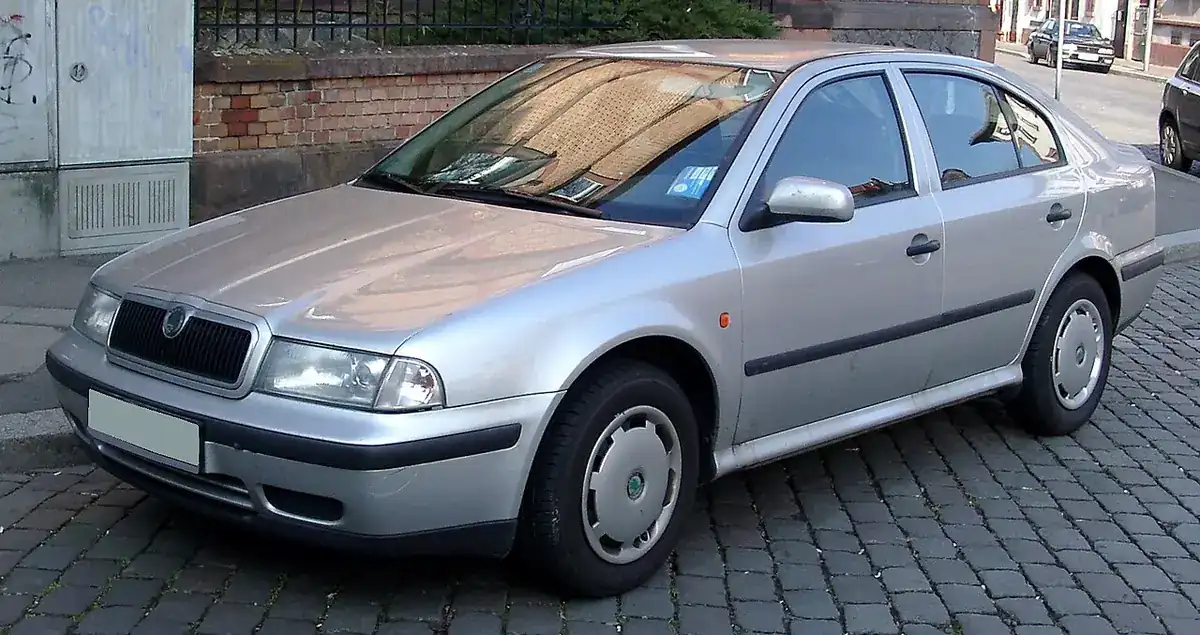
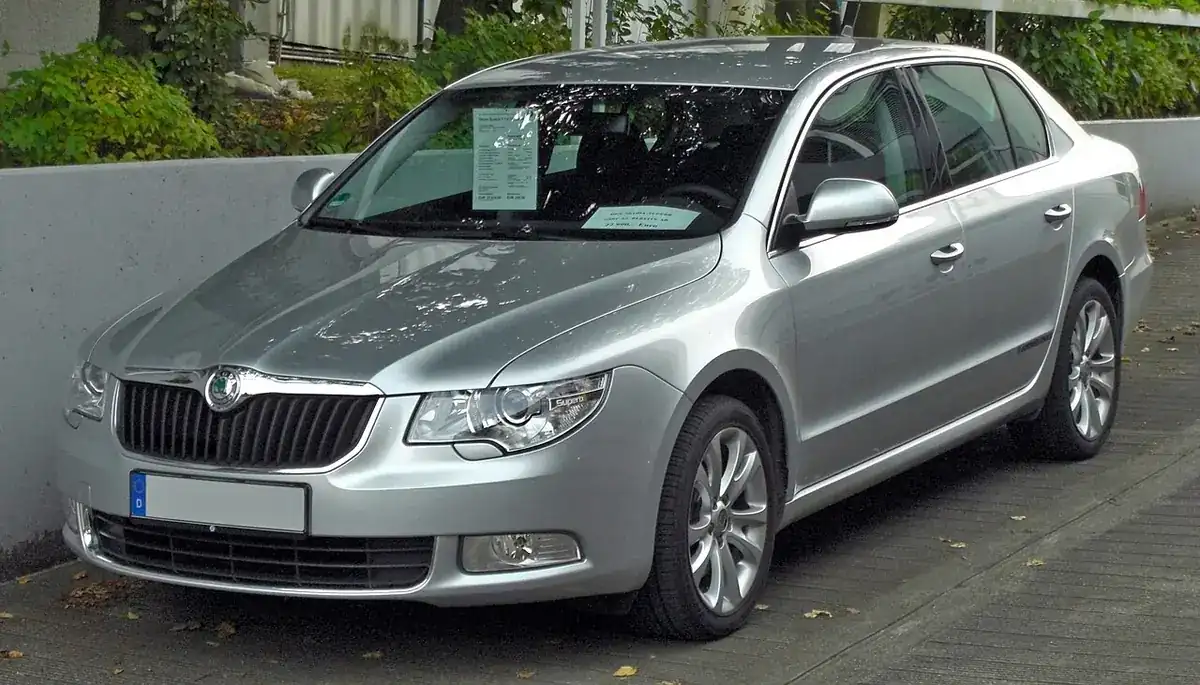
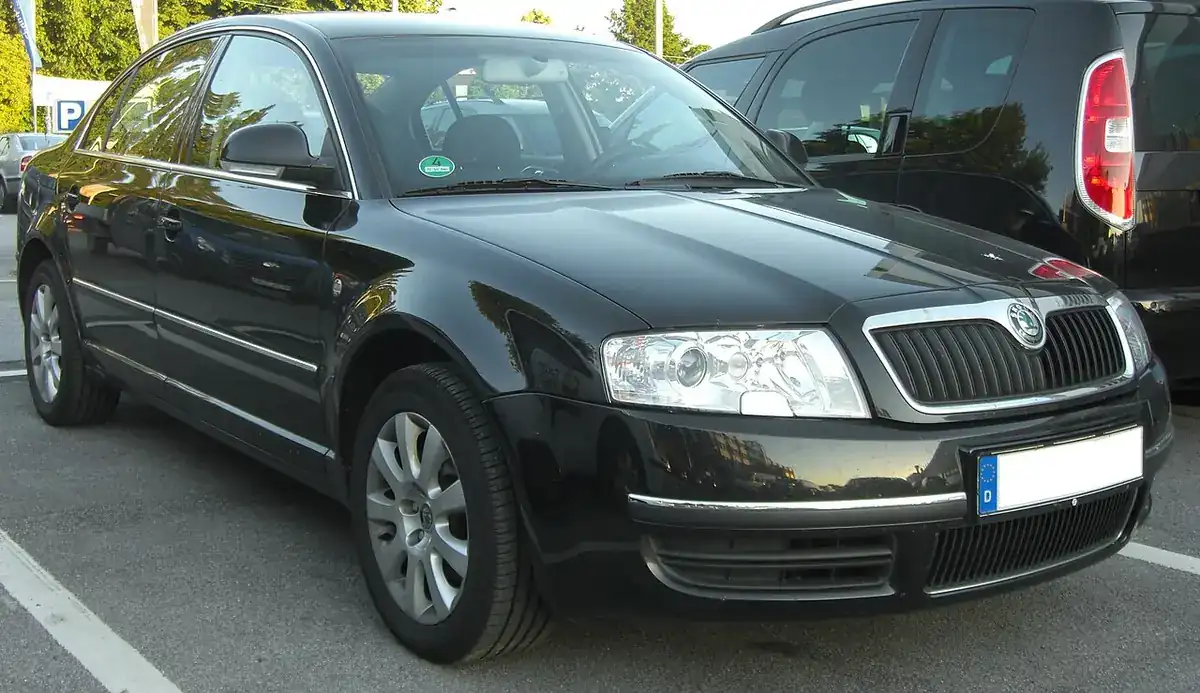
The first modern Superb belongs to an earlier engineering generation than the later TwinDoor or MQB-based cars. A large sedan bearing the same name is not evidence that it uses current Superb engine, gearbox or electrical parts. Indian and imported examples require actual vehicle identification before technical conclusions are drawn.
At THE SPARE HEAVEN – Multi-Brand Car Workshop, Guwahati, an older Superb enquiry begins with the VIN, engine and transmission details, service history and the owner’s priorities. Retaining an executive car often involves balancing safety, reliability and cosmetic work. The proposed inspection should make that balance explicit rather than recommending a modern-specification replacement package.
Establish the baseline before a long list of repairs
History and condition work together
Record periods of storage, battery discharge, overheating, fluid leakage and previous major repairs. Older invoices may reveal changed engine accessories, gearbox attention or substituted electrical components. A low odometer reading does not prevent age-related deterioration, while a well-documented higher-mileage car can have useful evidence of renewed components.
Find the relevant Škoda owner documents, including any original handbook retained with the vehicle. Oil approvals, fluid specifications and maintenance requirements must follow the actual installation. The assessment can prioritise brakes, tyres, steering and cooling before optional cosmetic restoration. Confirm the work supported by the workshop and the investigations needed before authorizing dismantling.
Engine checks must follow the fitted petrol or diesel unit
Different first-generation Superb powertrains should not share a generic parts list. Petrol ignition components, diesel fuel and starting-assistance components, filters and timing-related items depend on the actual engine. The workshop can assess starting behaviour, idle quality, leaks and recorded faults, then explain which further tests are appropriate.
An owner can help by describing whether a problem occurs after a long stand, when fully warm or under load. Avoid treating a vibration as proof of internal engine failure; mounts, accessories or another system may contribute. Serious oil-pressure warnings, fuel leakage or excessive temperature warrant a safe stop. Specialist engine overhaul or fuel-system work is offered only after diagnosis and confirmed capability.
Cooling reliability matters before comfort restoration
A car that loses coolant or becomes hot in traffic needs a cooling investigation before a repaint or accessory update. Inspect relevant hoses, radiator condition, water-pump evidence, thermostat operation and fan control. Age and previous repairs can influence where leaks occur, but do not establish a cause without testing.
The correct replacement must match the engine and cooling arrangement. Ask whether leakage has been demonstrated and what checks are needed before returning the car to use. Do not open a hot system, rely on unapproved additives or repeatedly top up without an explanation. Oil and coolant symptoms should be recorded together where they suggest a broader investigation.
Transmission and driveline need identification before advice
An older automatic should not be assumed to be a modern DSG. Confirm the gearbox code and actual operating system before specifying lubricant or proposing repairs. Engagement delay, an abnormal shift, a warning or leakage each needs a defined diagnostic approach. Supply voltage, mounts and drive components can also affect the complaint.
If a manual or another verified arrangement is present, clutch and release-system work must follow its own fitment. Inspect driveshafts, CV joints and mounting points where symptoms justify it. Complex internal transmission work and programming require confirmed specialist support. A written estimate should state what has been checked and what remains uncertain instead of describing every transmission problem as an assembly replacement.
Chassis, AC and electrical condition
Brake inspection should cover the fitted discs, pads, calipers, hoses and hydraulic system, with particular attention to leakage and changed pedal behaviour. Suspension and steering checks can assess arms, bushes, ball joints, dampers, links, steering components and bearings as fitted. Tyre age, damage and uneven wear belong in the same roadworthiness discussion.
For cabin comfort, distinguish AC airflow from cooling performance and assess leakage or controls before recommending a compressor. Electrical checks may include battery, charging, starting and affected wiring. Water entry, ageing seals and earlier accessory installations should be reported. Specialist lighting, module programming or restraint-system procedures are not automatically available merely because the car is described as premium.
Source compatible parts with a clear specification
For this generation, a component described simply as “Superb part” is insufficient. Filters, engine mounts, sensors, cooling parts, gearbox items and brake or suspension replacements should be checked against vehicle identification and application. Existing part numbers can help, but prior incorrect substitutions must also be considered.
Exterior fitment includes the correct bonnet, bumpers, lamps, fenders, doors, boot components, mirrors and glass. Matching generation and mounting details is essential when parts are uncommon. Once we’ve identified your car and its variant, we can check whether the part fits and confirm the price, availability and delivery time. Discuss proposed sourcing, part condition and repair alternatives before approving a purchase, without assuming current stock or a fixed completion date.
Accident restoration requires a repairability discussion
An ageing executive car can have pre-existing corrosion or prior repairs alongside fresh impact damage. Document these separately. Front, rear and side impacts may affect concealed supports, closures, cooling parts or wiring in addition to visible panels. THE SPARE HEAVEN can discuss supported denting, painting and compatible body repairs, with specialist structural and safety-system work assessed separately.
THE SPARE HEAVEN Multi-Brand Workshop, Guwahati provides Škoda accident repair and motor insurance claim assistance. Cashless repair availability is subject to the insurer, policy conditions, survey, claim approval and confirmed workshop or network eligibility.
Intimate through an official insurer claim button and provide vehicle and policy details, requested driver documents and accident evidence. Survey findings and estimate approval determine the admissible repair scope; customer authorization is also required. Vehicle age, depreciation, deductibles and non-payable items can influence the contribution. Do not begin restoration on the assumption that insurance covers all existing defects. The Superb I accident guide explains the claim sequence.
Plan a sustainable maintenance record
Before journeys around Assam, prioritise brakes, tyres, cooling behaviour, lights and visible leaks. Monsoon preparation should include seals, wipers and possible water entry without driving into uncertain floodwater. Keep photographs and invoices for completed repairs so the next visit can build on verified work. THE SPARE HEAVEN is an independent multi-brand workshop; scope and parts are confirmed after inspection.
Book Service · Call Now · WhatsApp · Insurance Claim Enquiry · Google Reviews · Workshop Directions and Contact
Official insurer claim channels
Choose your insurer’s official claim-intimation link. Submit policy and identity information directly through the insurer’s approved channel. Your insurer decides whether to authorise cashless repairs after assessing your claim against your policy.
Quick answers
Can THE SPARE HEAVEN apply current Superb gearbox advice to my first-generation sedan?
No. Identify the actual gearbox before selecting lubricant or service procedures. An older automatic is not automatically a modern DSG.
What should THE SPARE HEAVEN prioritise when assessing a Superb that has been stored?
Arrange a condition assessment covering tyres, brakes, fluid leakage, cooling, battery and safe starting. Storage duration and age can matter even with low mileage.
Can THE SPARE HEAVEN use one mirror specification across every Superb generation?
No. Generation, mountings, wiring and equipment must match. The shared model name does not establish compatibility.
Will an accident insurer fund complete older-Superb restoration at THE SPARE HEAVEN?
The insurer assesses admissible accident damage under the policy. Pre-existing deterioration, optional restoration and non-payable amounts must be distinguished from approved repair work.
Which first-generation Superb engine symptoms should THE SPARE HEAVEN distinguish before recommending major work?
Identify the actual petrol or diesel installation and describe starting, warm-operation and load conditions. Mounts or accessories may explain vibration, while engine-specific fuel, ignition and timing references guide further checks. Major engine or specialist fuel work requires diagnosis and confirmed support; severe warnings need safe cessation of use.
What cooling evidence should THE SPARE HEAVEN establish before returning an older Superb to regular use?
Ask where leakage or abnormal temperature has been demonstrated and which checks remain. The hoses, pump, radiator and control arrangement must match the engine and its repair history. Repeated top-ups do not explain the fault; record combined oil and coolant symptoms if they suggest further investigation.
How should THE SPARE HEAVEN distinguish an older-Superb shift complaint from mount, supply or drive-joint problems?
Identify the actual gearbox and record engagement, shift, warning or leakage symptoms separately. Assess relevant supply voltage, mounts and drive components before concluding that an assembly needs replacement. The estimate should state completed checks, remaining uncertainty and any specialist support needed for internal or programming work.
What roadworthiness and electrical history should THE SPARE HEAVEN review with first-generation Superb comfort complaints?
Include brake-pedal changes, leakage, tyre age and chassis symptoms alongside AC or starting concerns. Report water entry, ageing seals and previous accessory wiring. Airflow, refrigerant and power-supply faults need separate evidence, and premium equipment does not establish that every module or safety procedure is supported.
Why should THE SPARE HEAVEN check previous substitutions as well as part numbers on a first-generation Superb?
For this generation, a component described simply as “Superb part” is insufficient. Filters, engine mounts, sensors, cooling parts, gearbox items and brake or suspension replacements should be checked against vehicle identification and application. Existing part numbers can help, but prior incorrect substitutions must also be considered.
Can THE SPARE HEAVEN assess first-generation Superb body repair while separating corrosion and specialist safety work?
THE SPARE HEAVEN can discuss the supported bodywork after identifying fresh impact damage and previous corrosion or repairs. Concealed closure, cooling or wiring effects need inspection. Structural and safety-system tasks require separate capability assessment, while the insurer decides the admissible accident scope and applicable customer contribution.
Vehicle and claim reference information
Use the manual for your exact vehicle and the issued insurance policy. These sources provide background and do not establish a workshop authorization or insurer tie-up.